employee ID badges: define the purpose and scope
A simple employee ID badges policy gives a small office a clear standard for workplace identification. In practice, employee ID badges help staff and visitors recognize who belongs on site, make it easier to greet the right person at the front desk, and create a consistent expectation for employees, interns, contractors, and other on-site team members. For a small-to-mid office, the goal is not complexity; it is a practical office badge system that is easy to understand and easy to follow.
Start with the basics: who needs a badge, when it is used, and what the badge should help people do.
Choose a badge design that is clear and easy to use
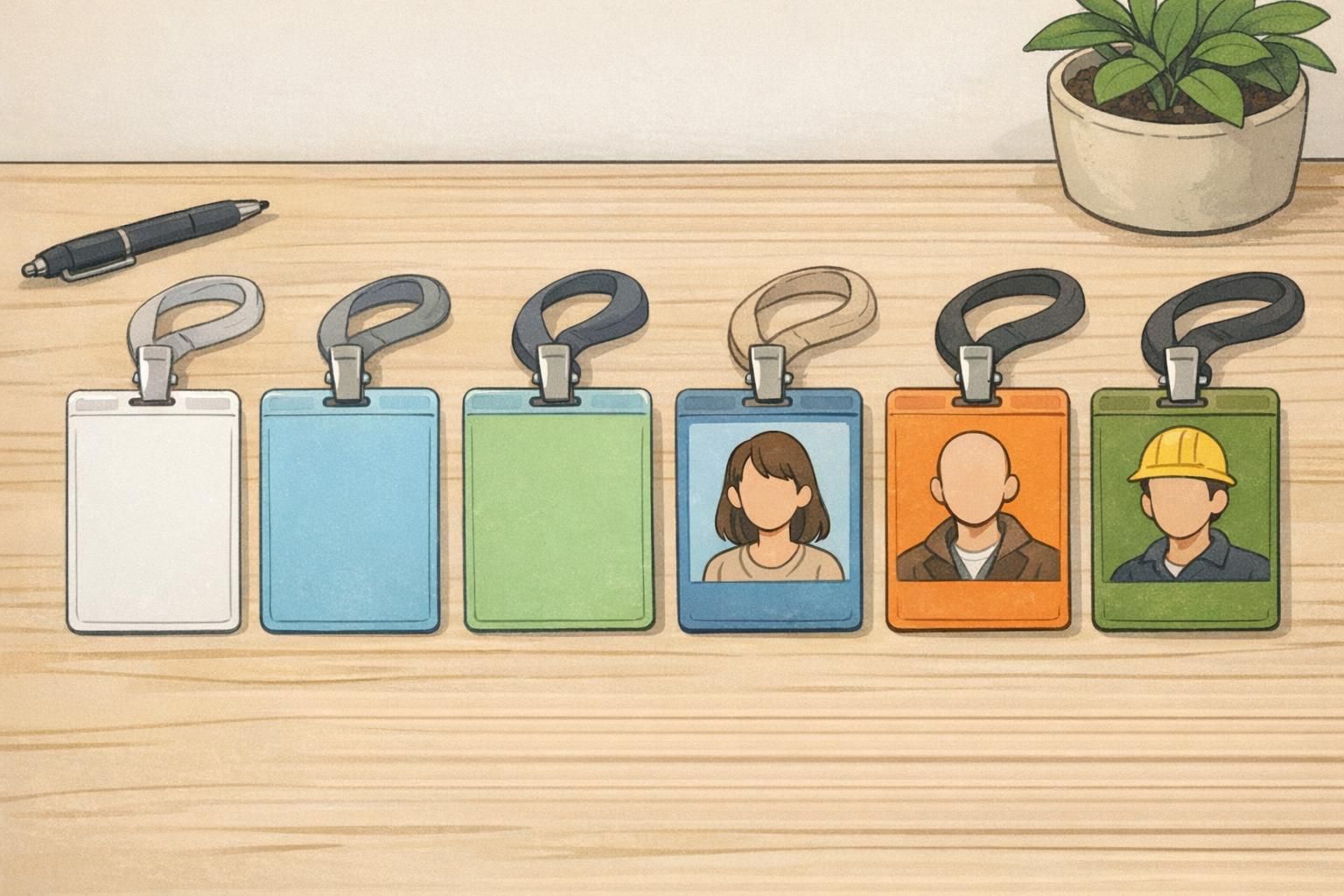
The best employee ID badges are easy to read at a glance. A clean layout usually includes a photo, full name, department, company logo, and any optional access features an office may use. Consistency matters because it speeds up workplace identification for both staff and visitors. When everyone’s badge follows the same basic format, people can identify roles more quickly and with less confusion.
- Include only the information people need to identify the wearer quickly
- Keep the design uncluttered so the photo and name stand out
- Use one standard format across staff whenever possible
- Consider color-coding if it helps distinguish groups, but keep the overall design simple
- Add access features only when they are actually needed
For many offices, a basic layout works better than a busy one. If the badge is too crowded, it becomes harder to use as a day-to-day workplace identification tool.
Set the office badge system rules for wear and visibility
Rules should be simple enough that employees can remember them without a long explanation. A common standard is to wear employee ID badges whenever employees are on site, above the waist, and visible on outer clothing. That keeps the badge easy to see for coworkers, guests, and security or front-desk staff.
An institutional example of this kind of requirement is a policy that calls for badges to be visibly worn by employees and contractors. source
The simplest badge rules are often the easiest to follow: wear the badge, keep it visible, and make the expectation consistent.
Limited exceptions can be appropriate when safety or hands-on work makes a visible badge impractical. The key is to define those exceptions clearly so the office badge system stays realistic and workable rather than rigid.

Create a simple issuance process for onboarding and replacements
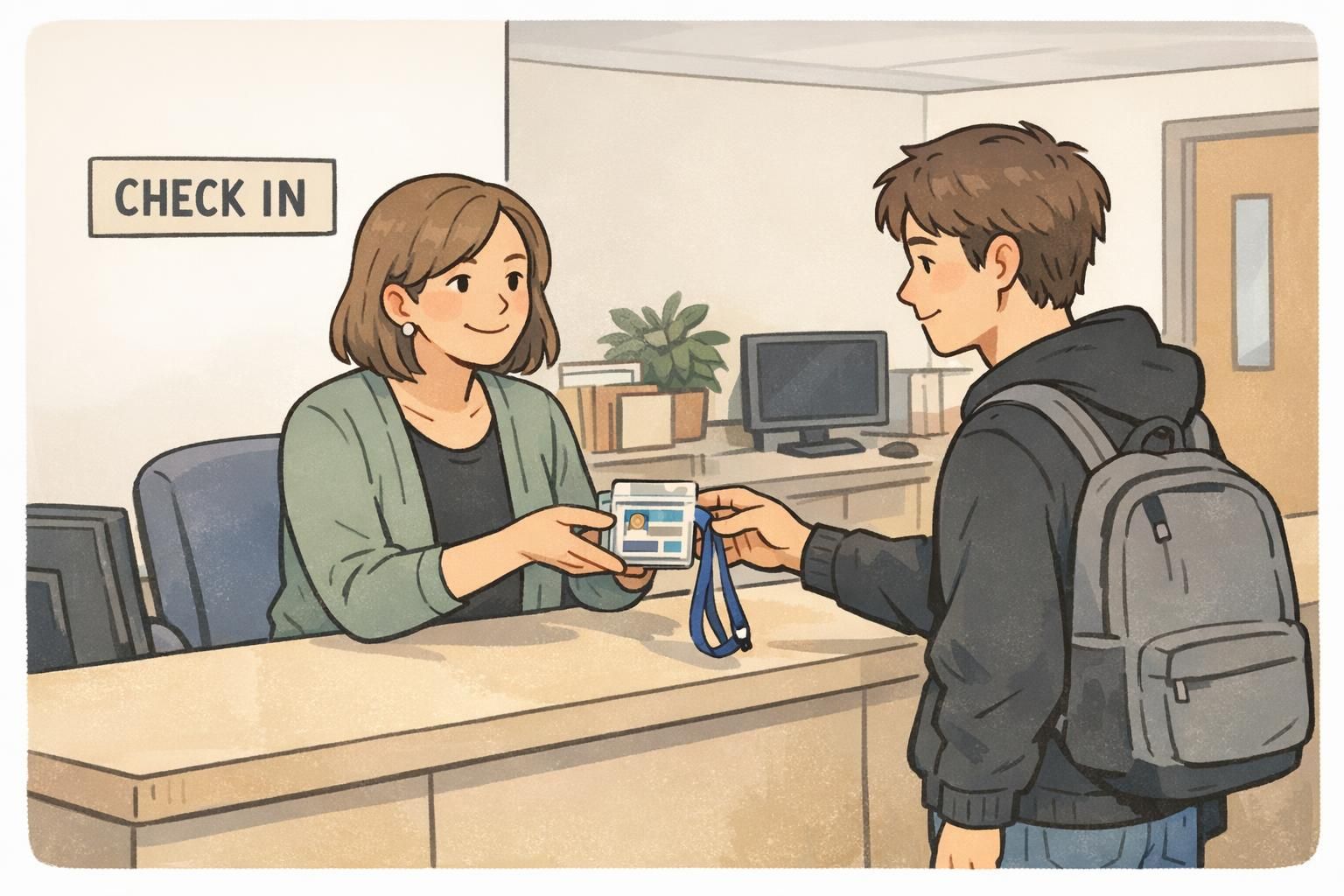
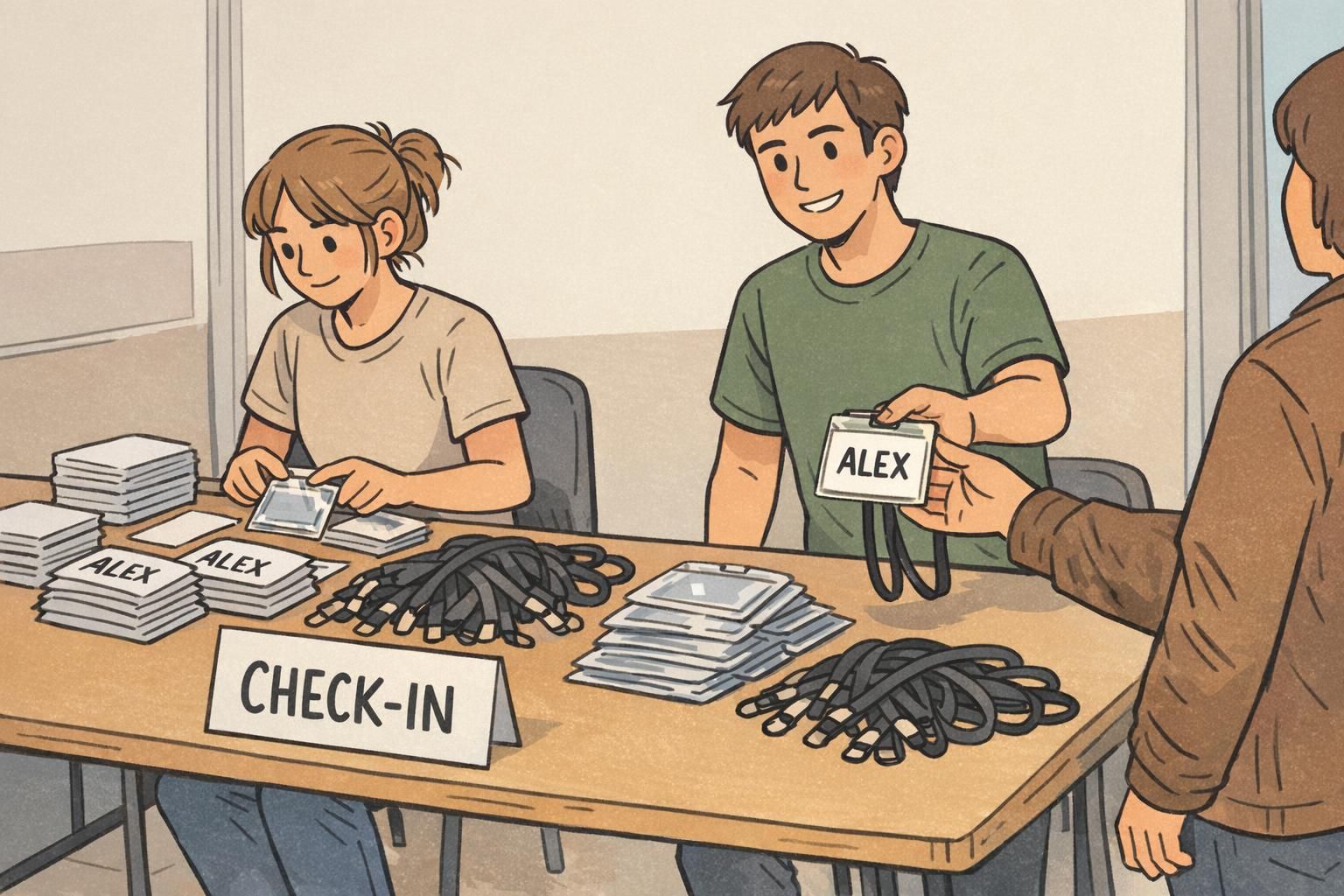
A good issuance process keeps the office badge system organized without adding unnecessary admin work. In a small office, HR or an office manager can usually handle badge photos, printing, and a basic log of active badges. New staff should receive their employee ID badges as part of onboarding so the process feels routine and expectations are clear from the start.
- Take or collect a badge photo during onboarding
- Issue the badge before or on the employee’s first day on site
- Record each active badge in a simple log
- Replace lost, stolen, or damaged badges through the same office contact
- Deactivate or update records when roles change
This kind of straightforward workflow supports workplace identification while keeping the process manageable for a small team. It also makes it easier to track who has a current badge and when a replacement is needed.

Visitor badges and temporary access in the office badge system
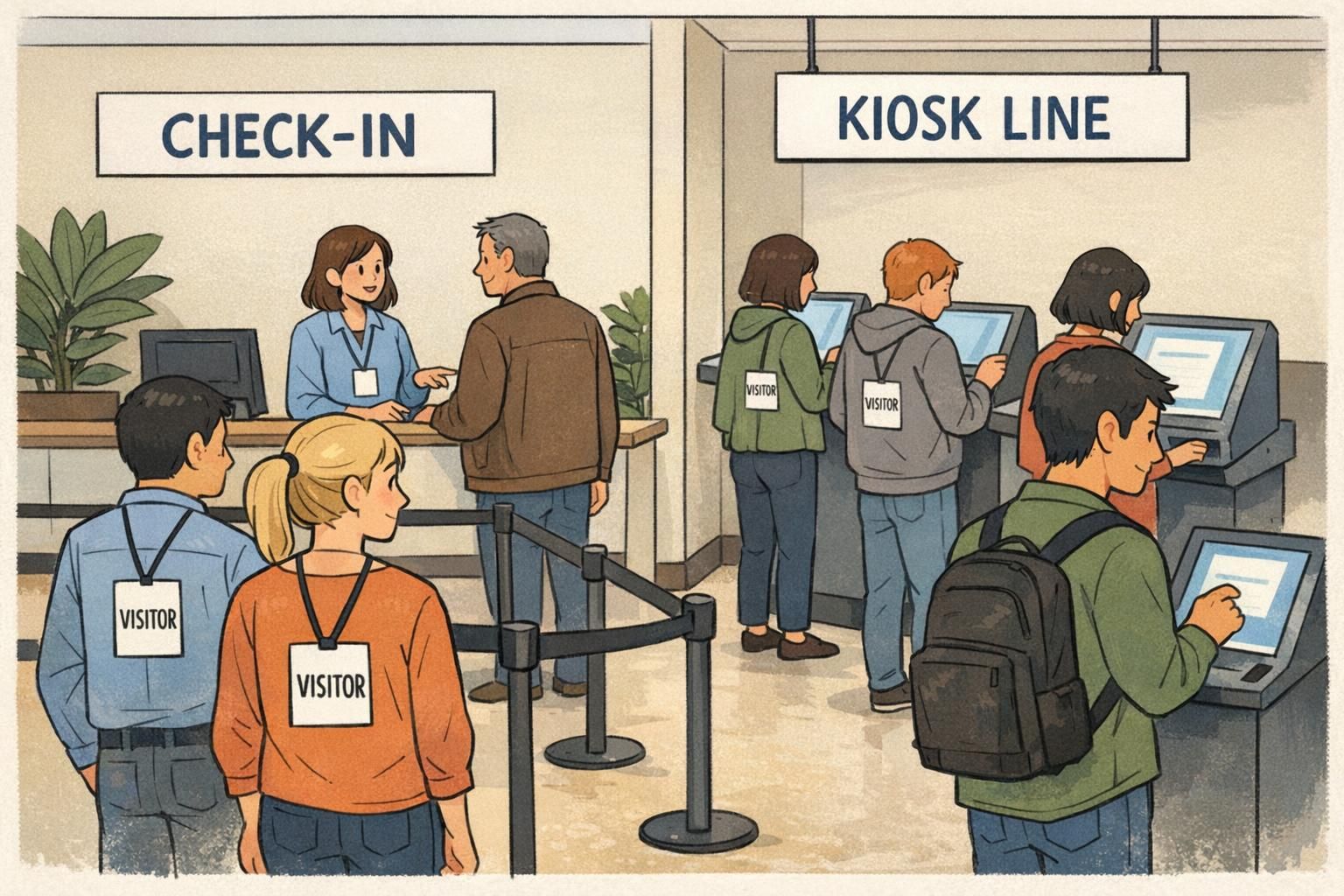
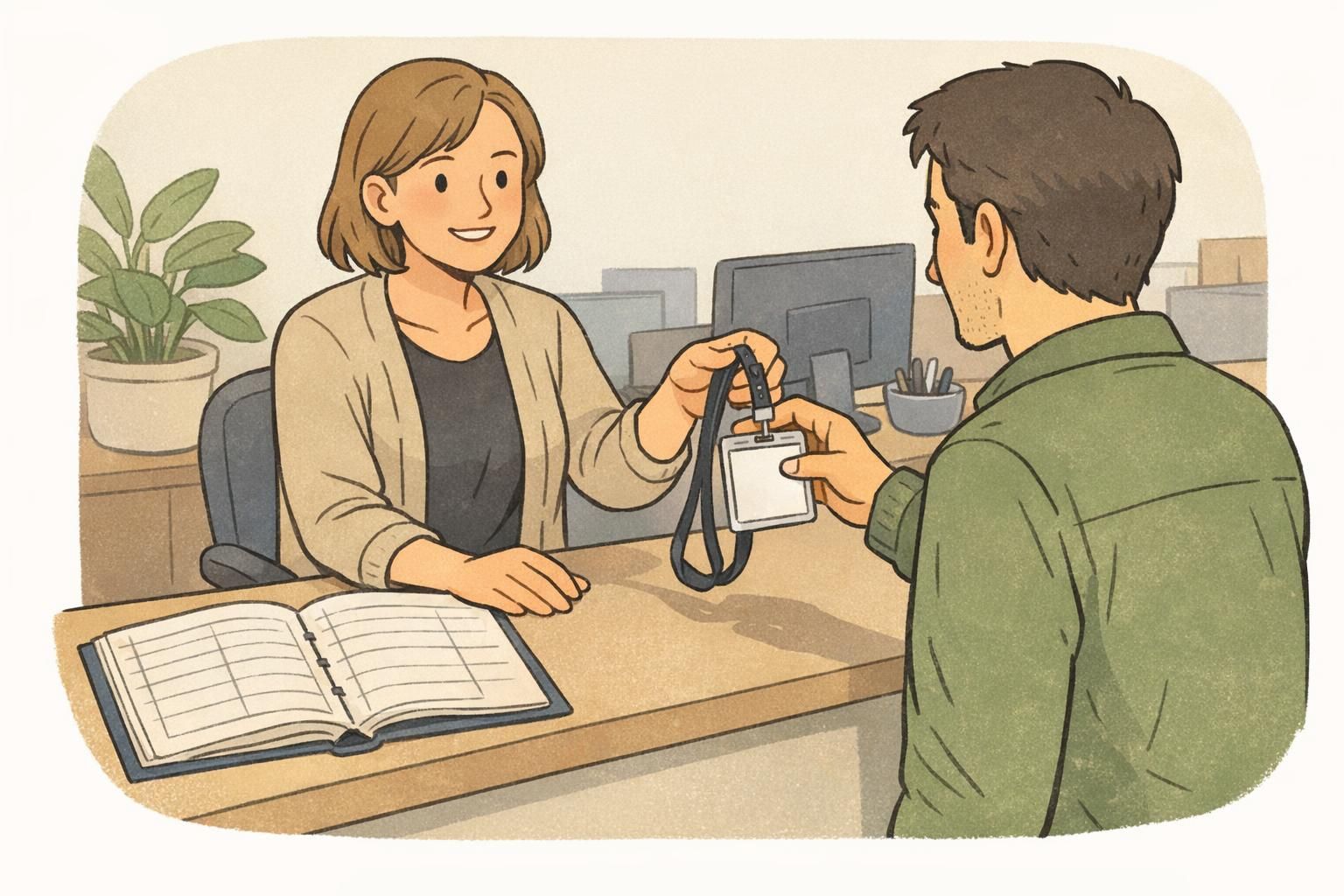
A separate visitor process helps the office badge system support both security and a welcoming front-desk experience. Visitors, contractors, and short-term guests should wear clearly different badges from employee ID badges so staff can identify them at a glance. That distinction makes workplace identification easier without creating confusion about who is part of the regular team.
- Use a visitor sign-in step at the front desk
- Issue clearly different visitor badges
- Ask hosts to meet and escort guests when needed
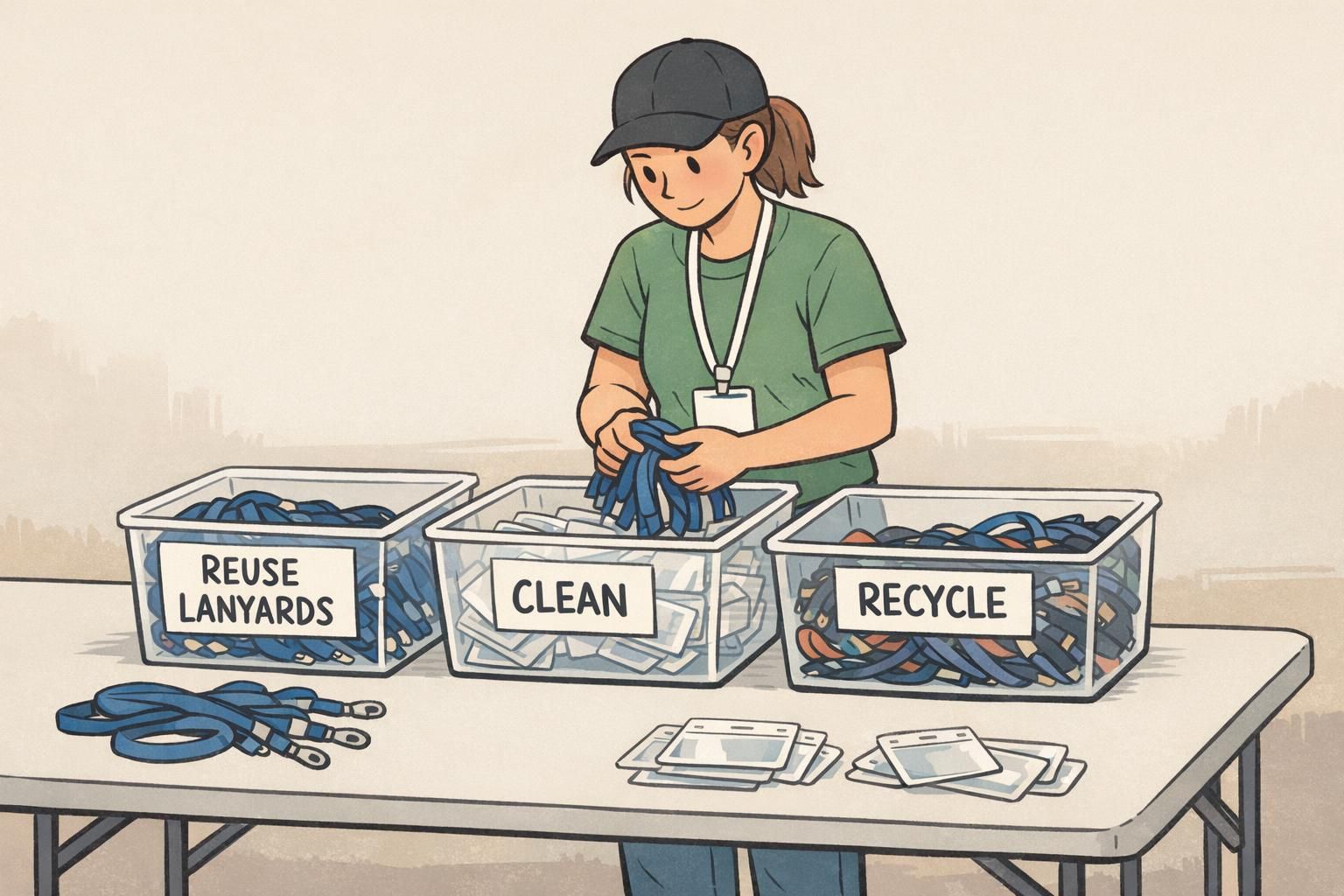
- Collect visitor badges before guests leave
- Use the same approach for contractors or temporary visitors when appropriate
A simple front-desk workflow helps the office stay organized and makes the experience smoother for guests. It also signals that the office takes workplace identification seriously while still remaining courteous and approachable.
Rules for use, loss, and return at termination
To keep workplace identification reliable, the office should treat badges as company property. Employee ID badges should not be shared, altered, or used by anyone other than the person assigned to them. If a badge is lost or stolen, it should be reported immediately so the office can respond and issue a temporary replacement if needed.
- Badges remain company property
- Do not share, copy, or alter a badge
- Report loss or theft right away
- Issue a temporary replacement when needed
- Collect badges when employment ends
Returning badges at termination is a simple but important part of the process. It helps protect the office badge system and keeps records current so workplace identification stays dependable over time.
How to communicate and enforce workplace identification
The easiest way to make the policy work is to introduce it clearly during onboarding and keep managers informed about their role. When employees understand what is expected from day one, employee ID badges become part of the normal routine instead of a special exception. Light, straightforward enforcement tends to work best in small offices because it keeps the process professional without making it feel heavy-handed.
Managers and office leaders should reinforce the standard consistently, especially when new staff join or roles change.
A periodic review is helpful so the office badge system stays aligned with staffing changes, access needs, and day-to-day office routines.
A short reminder during onboarding, occasional manager check-ins, and a periodic policy review are usually enough to keep workplace identification consistent.
BadgeZoo products that fit a simple office badge rollout
When an office is ready to move from policy to implementation, it helps to choose identification products that match the same simple approach. Employee badges, name tags, badge holders, and related identification products can all support a clean, professional setup for staff, visitors, and temporary roles. If you are planning your rollout and want a custom format that matches your office workflow, you can review custom employee ID badges as one practical option.
For offices that want to keep ordering flexible, BadgeZoo also offers no minimum order quantity, which can be useful when you are issuing badges for a small team or replacing them one at a time. If you have questions about a custom request, you can contact BadgeZoo at http://badgezoo.com/contact.