Personalized Lanyards: Balancing Uniformity and Individuality in Badge Programs
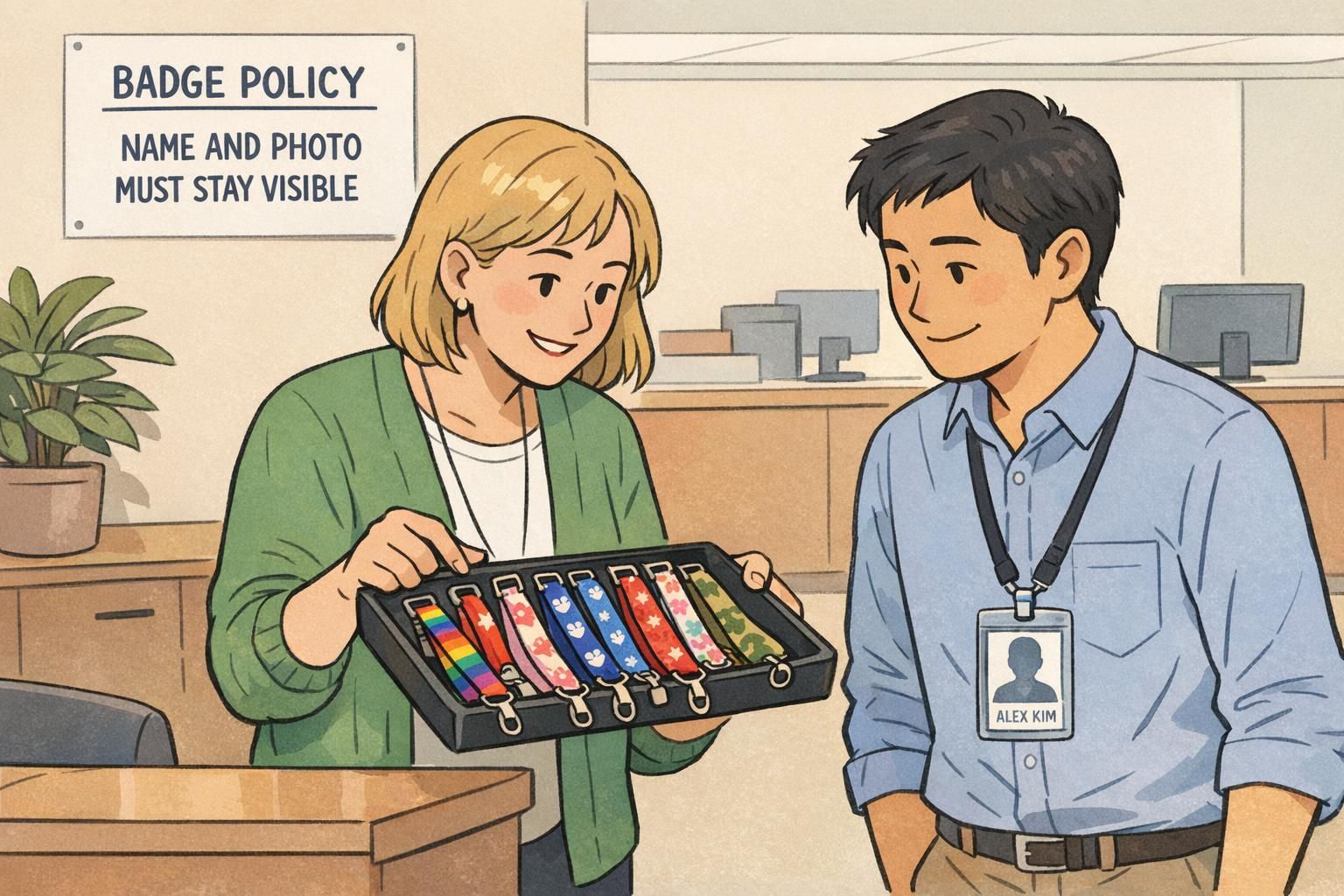
Why personalized lanyards can strengthen a badge program (without reducing clarity) Personalized lanyards are one of the easiest ways to add a human touch to a...
Why personalized lanyards can strengthen a badge program (without reducing clarity) Personalized lanyards are one of the easiest ways to add a human touch to a...
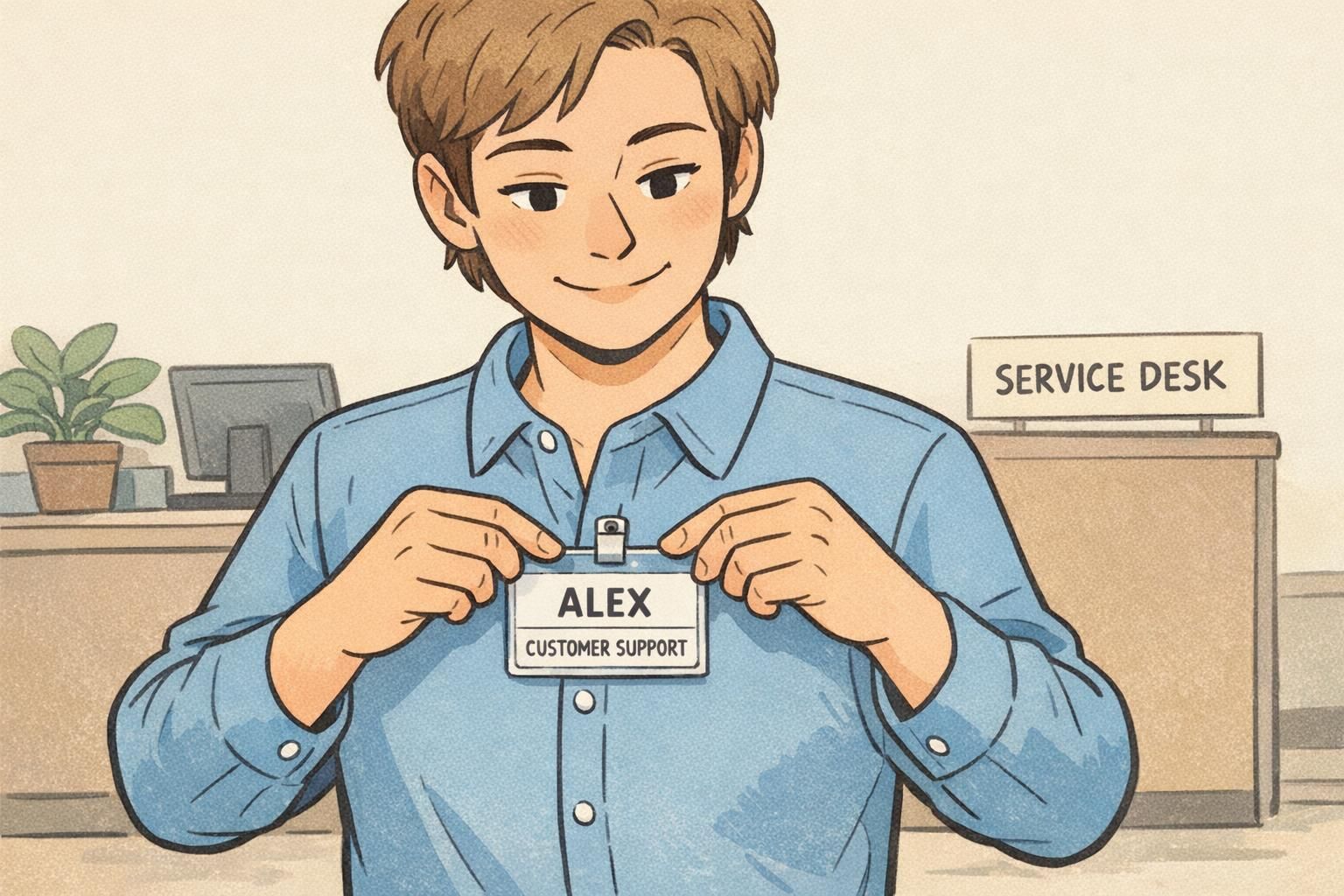
Why Name Tag Etiquette Matters in Customer-Facing Roles Good name tag etiquette makes customer interactions smoother from the very first moment. When customers...

Why psychological safety makes introductions feel easier Psychological safety is the feeling that it’s okay to take small interpersonal risks at work—like star...
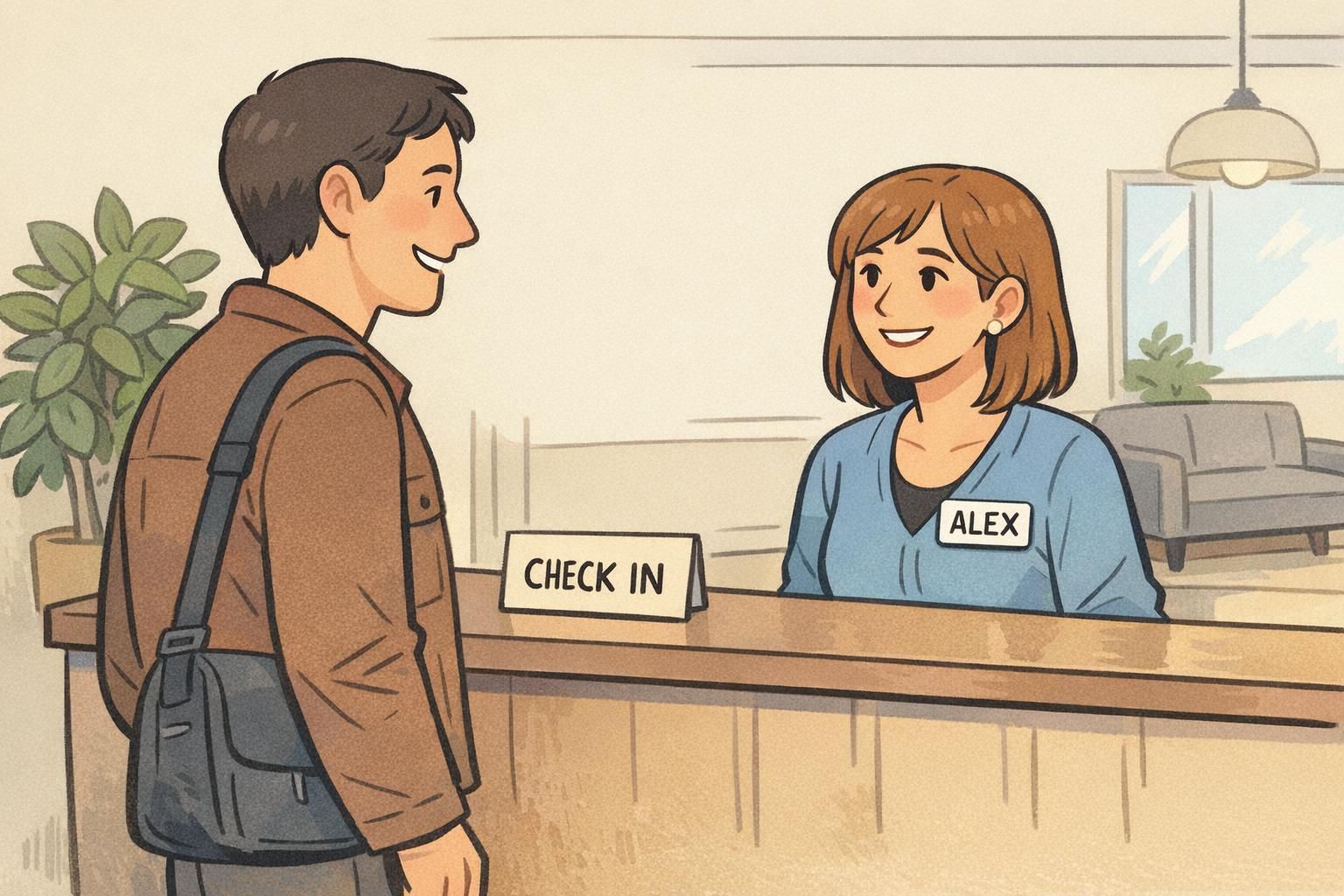
Why a First Impressions Name Tag Changes the Conversation A first impressions name tag does something surprisingly powerful: it removes the “what do I call you...
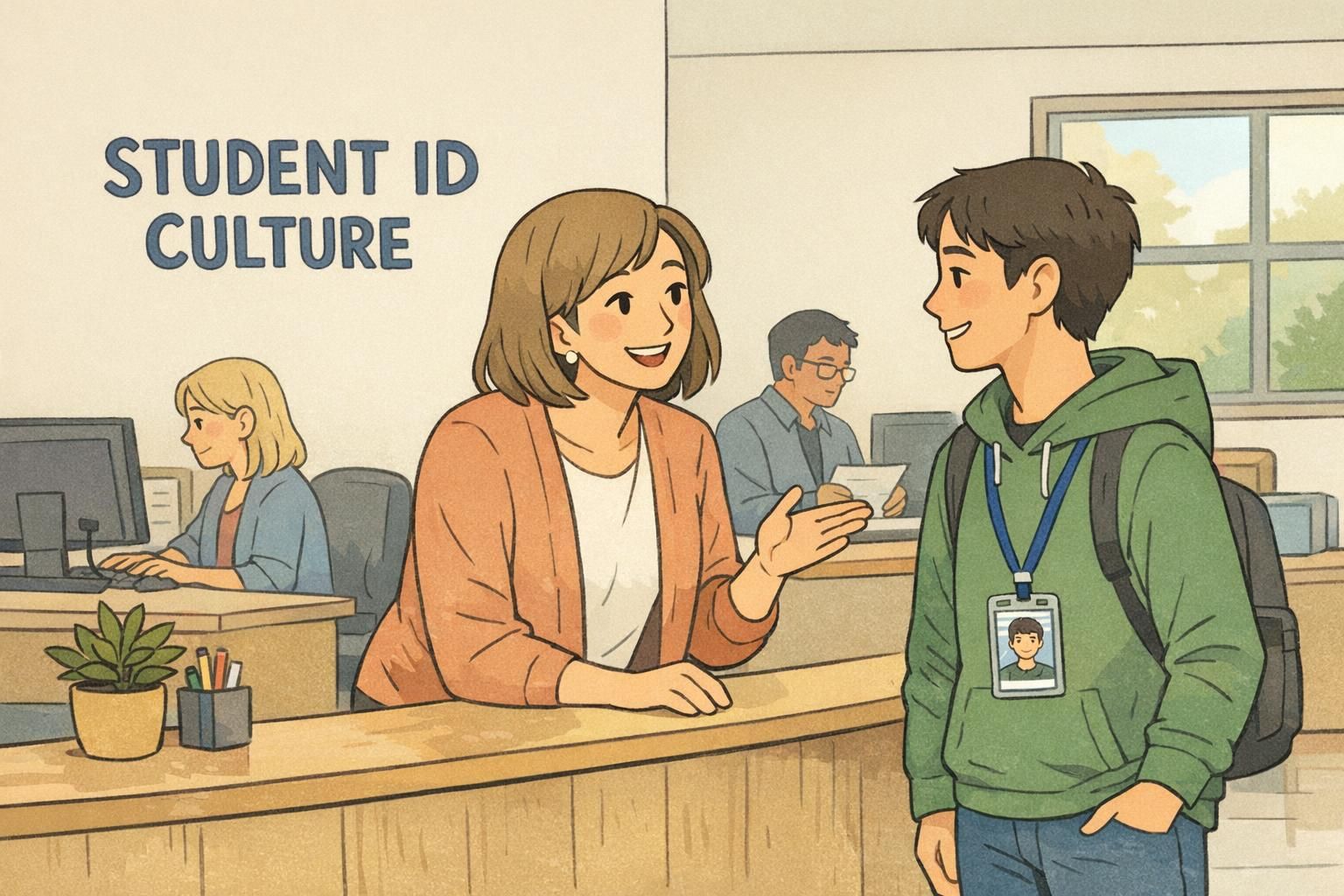
Why student ID culture shapes daily habits and school pride A strong student ID culture is about more than identification—it’s a daily routine that helps a sch...
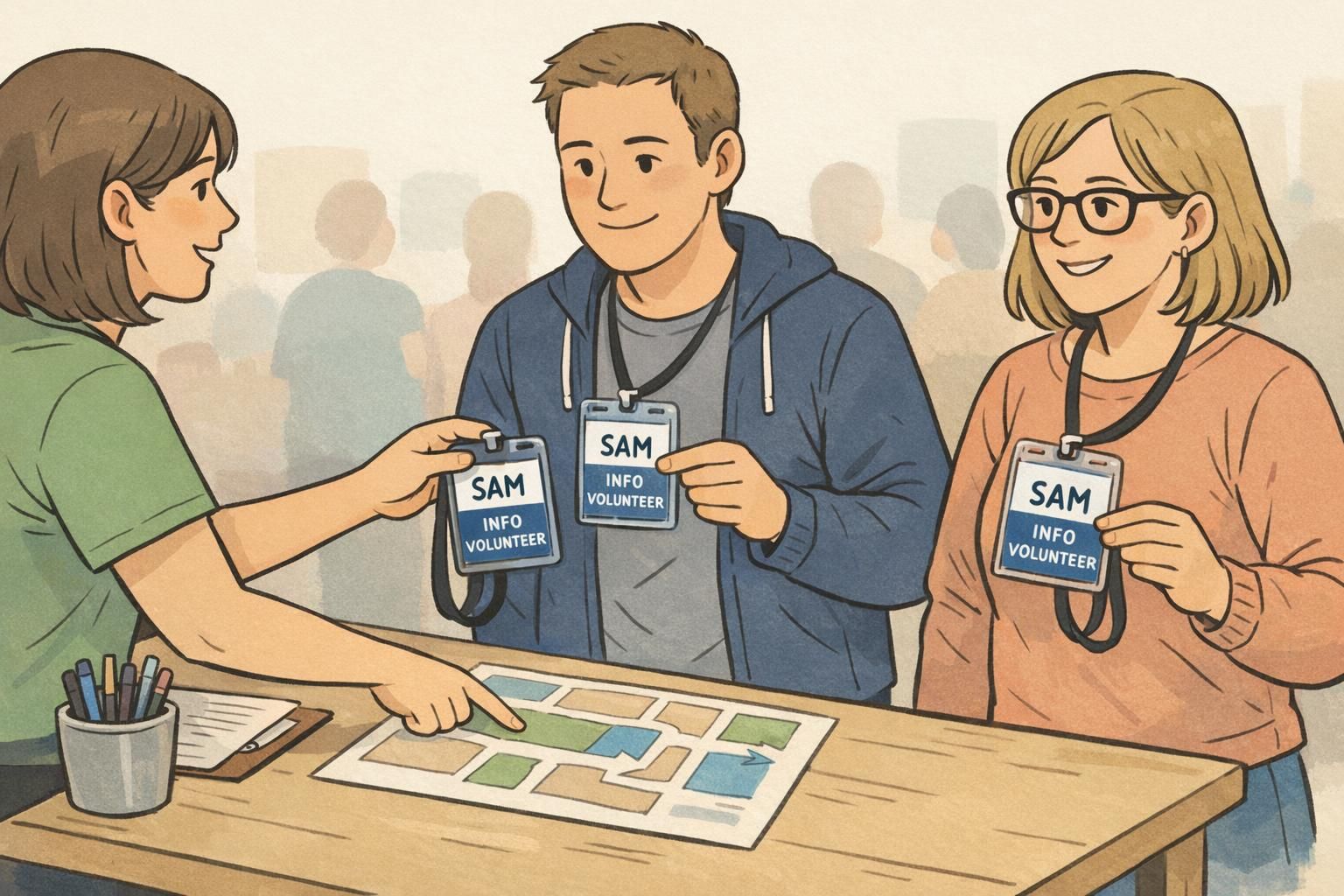
Why a Volunteer Name Badge Helps Volunteers Feel Official A volunteer name badge does more than display a name—it signals to everyone on-site that a person is...
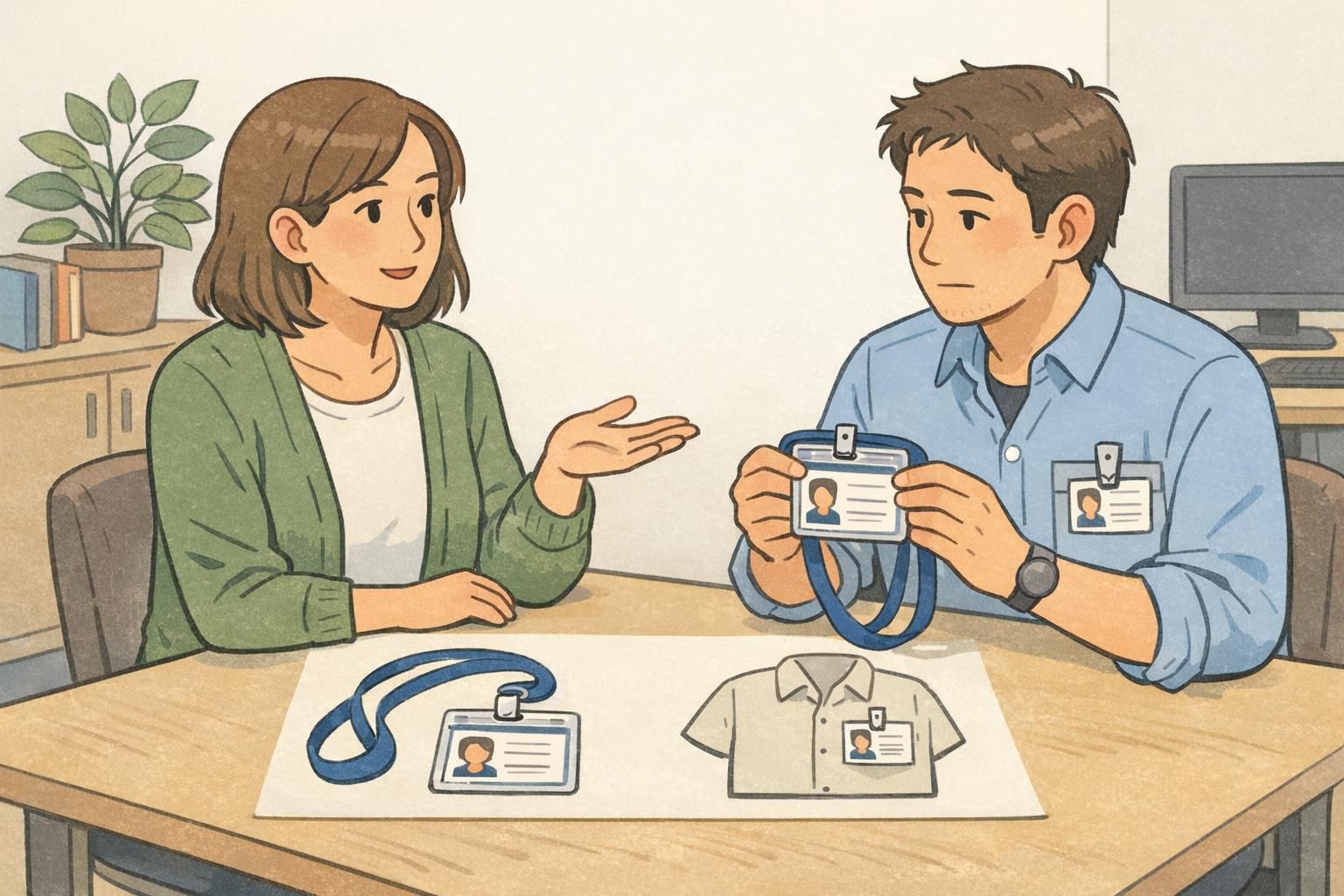
Why Employee Badge Complaints Happen (and Why Badges Still Matter) Employee badge complaints usually show up when a credential program is doing its job—badges...
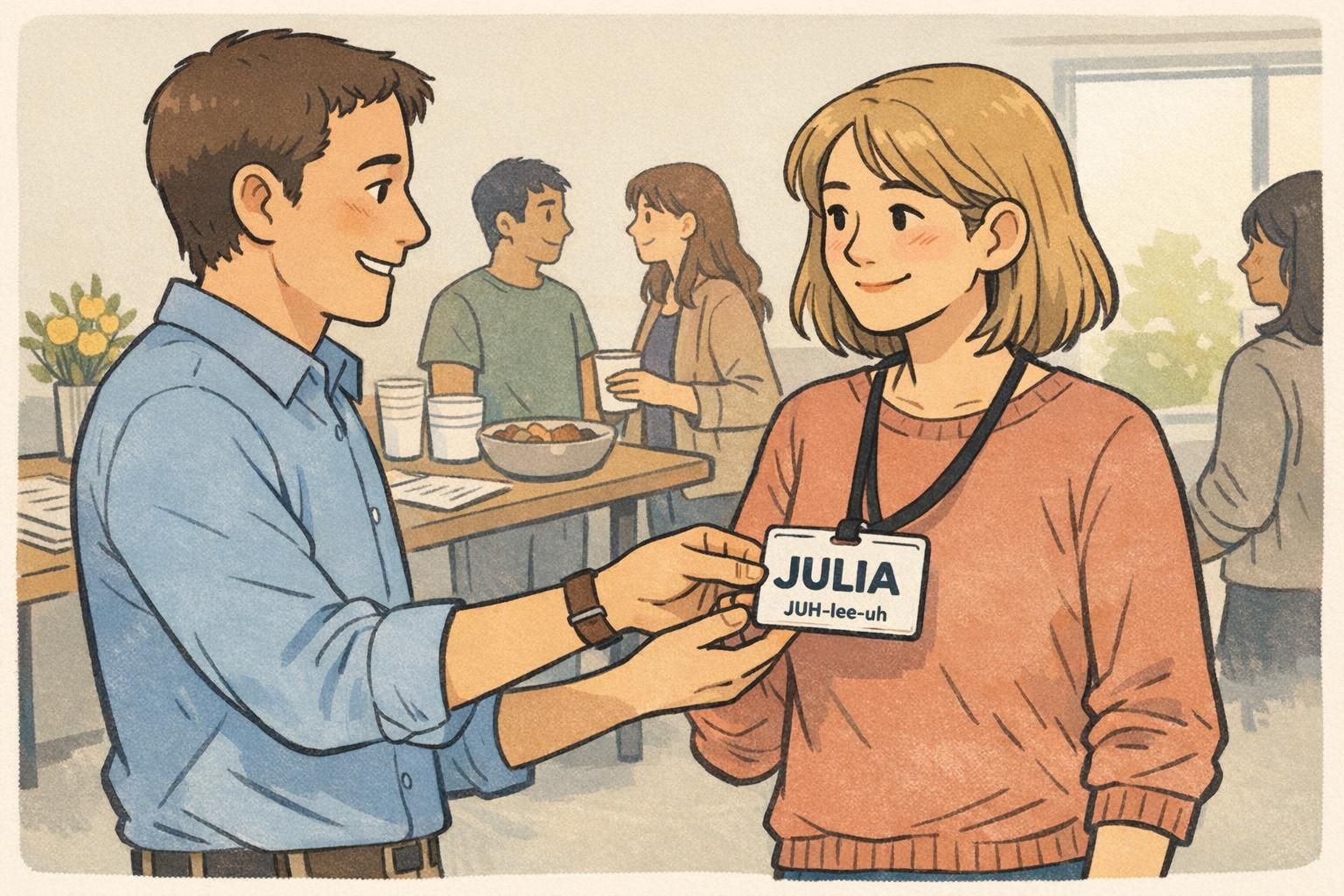
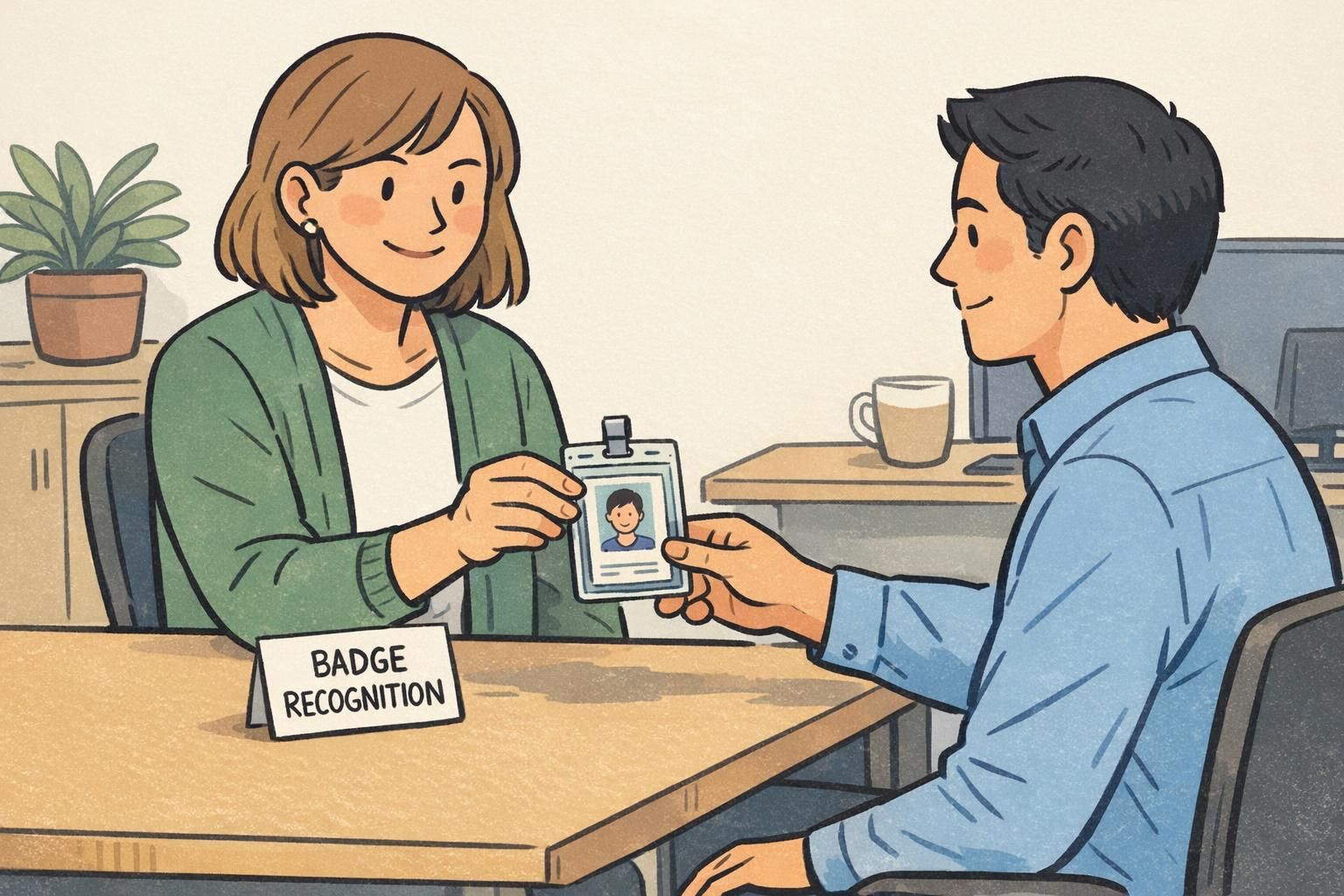
Why badge recognition works for low-key celebrations Badge recognition is a practical way to celebrate progress without turning recognition into a production....
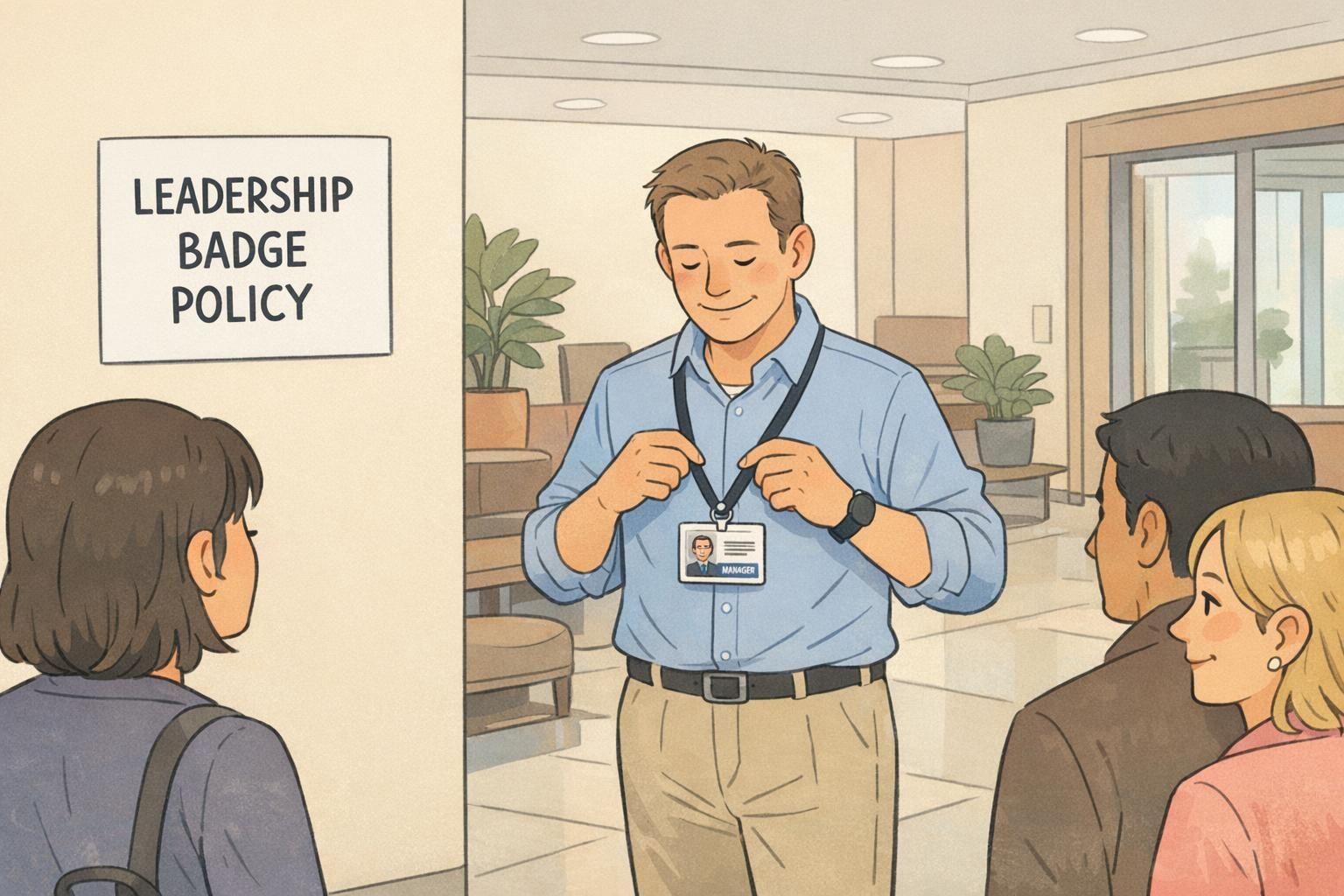
Why a Leadership Badge Policy Starts With Leaders A leadership badge policy only feels real when leaders treat it as their own everyday standard—not something...
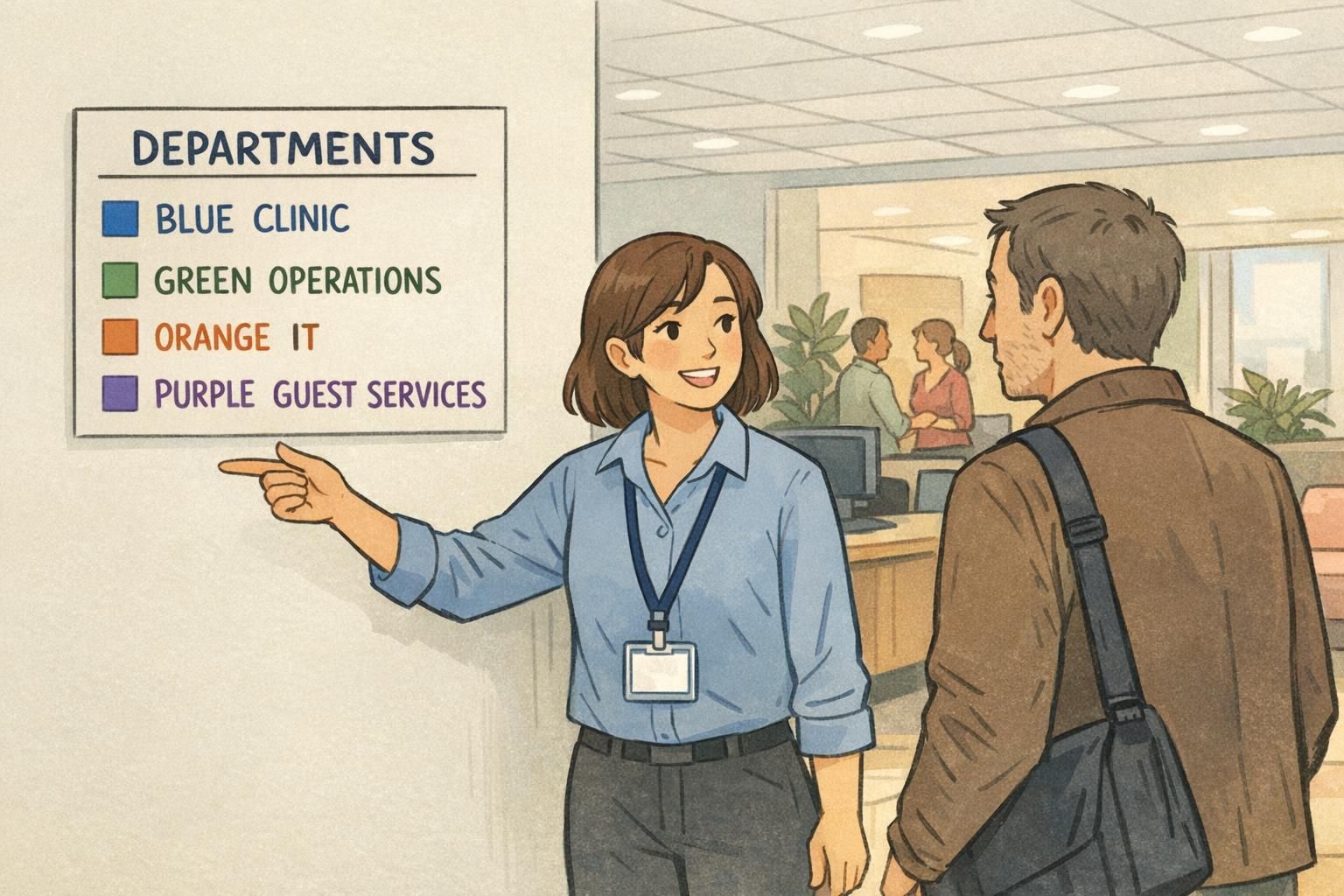
Why department color coding works (and when it doesn’t) Department color coding is popular for a simple reason: our brains pick up color faster than text. In a...

Why a customer trust name tag changes the service experience A customer trust name tag does something deceptively simple: it removes the awkward first step of...