Color coded badge Backers and Color Bars for Quick Visual Role Coding
Why a color coded badge system works for fast recognition A color coded badge system is one of the simplest ways to help people recognize roles quickly—without...
Why a color coded badge system works for fast recognition A color coded badge system is one of the simplest ways to help people recognize roles quickly—without...

Why vertical vs horizontal orientation matters for daily scanning and readability A badge does more than hold an ID—it helps people identify names and roles qu...
Rigid vs Flexible: What a Rigid Badge Holder and Sleeve Actually Protect Against A rigid badge holder and a flexible badge sleeve both support ID card protecti...

Why a breakaway lanyard is a workplace safety essential A breakaway lanyard is built with a connector that separates under a set amount of force. In day-to-day...

What a badge reel lanyard combo is (and why it exists) A badge reel lanyard combo is a simple idea: wear your ID on a neck lanyard so it’s easy to see, then ad...
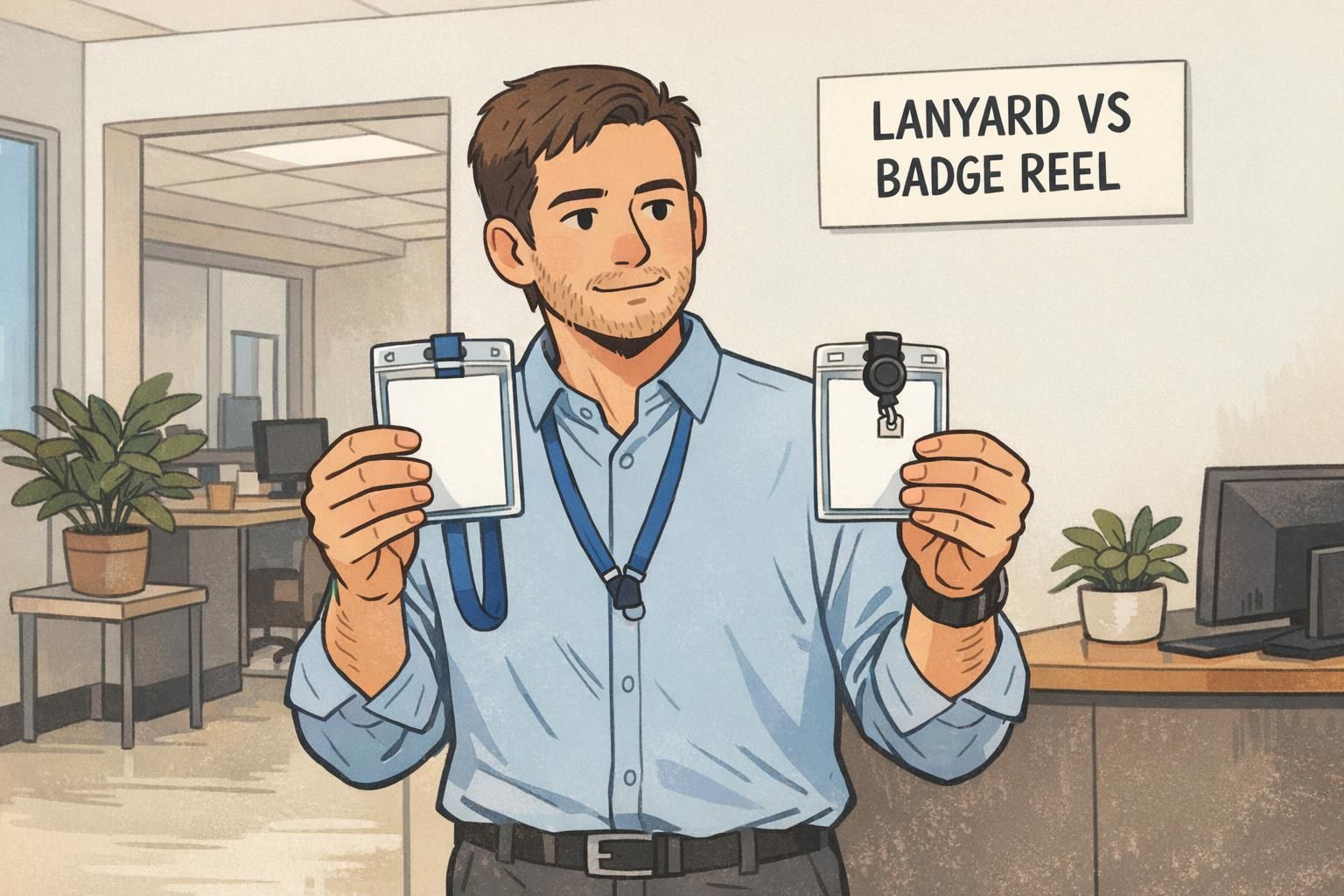
Lanyard vs Badge Reel: What’s the Real Difference? When you’re deciding lanyard vs badge reel, you’re really choosing how your ID will behave during a normal d...
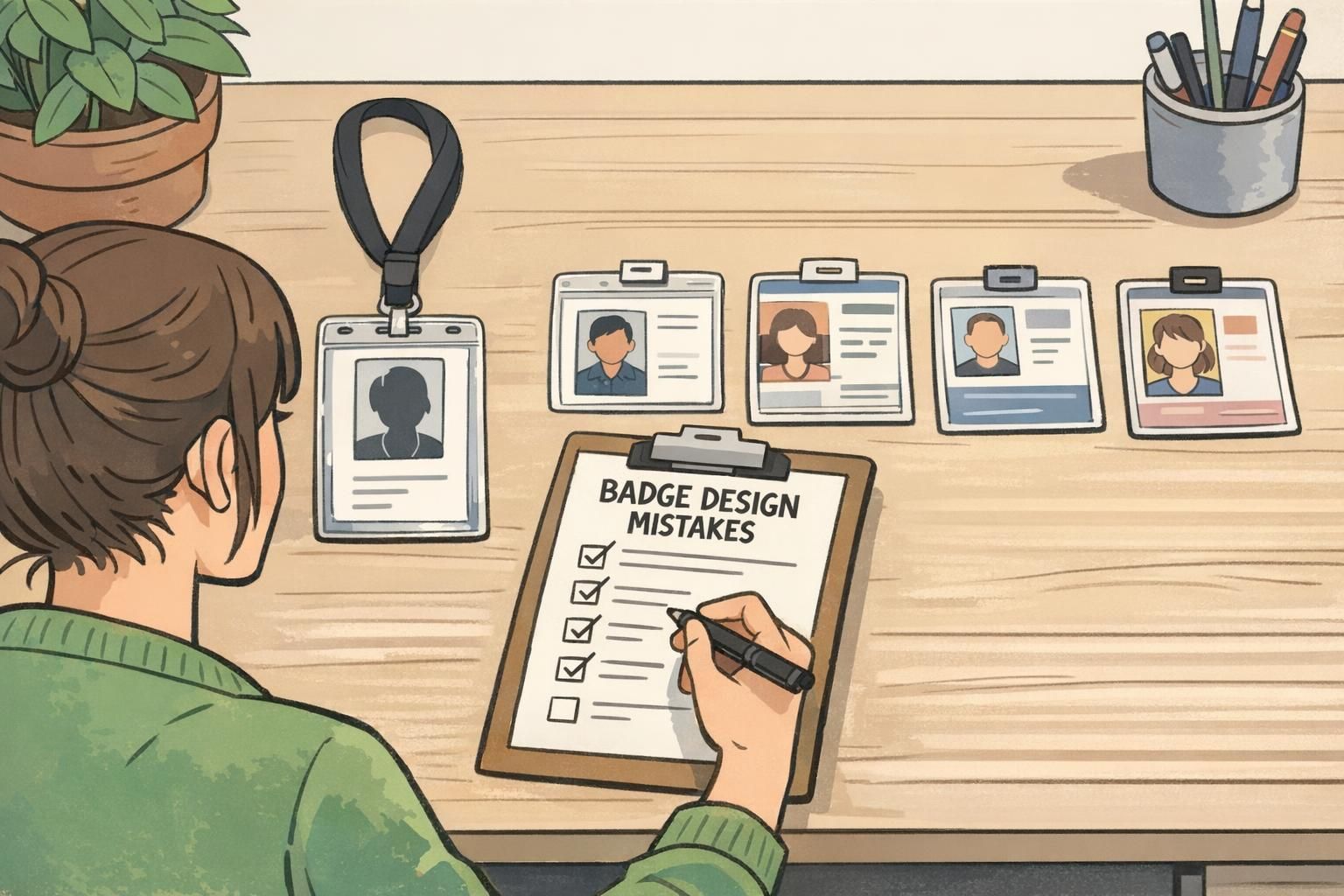
Why Badge Systems Drift Over Time Most organizations don’t set out to create confusing ID badges. The problems show up slowly—after months or years of new hire...

Why badge solutions for organizations matter at enterprise scale At a small office, identification can feel simple: everyone knows everyone, and new faces stan...
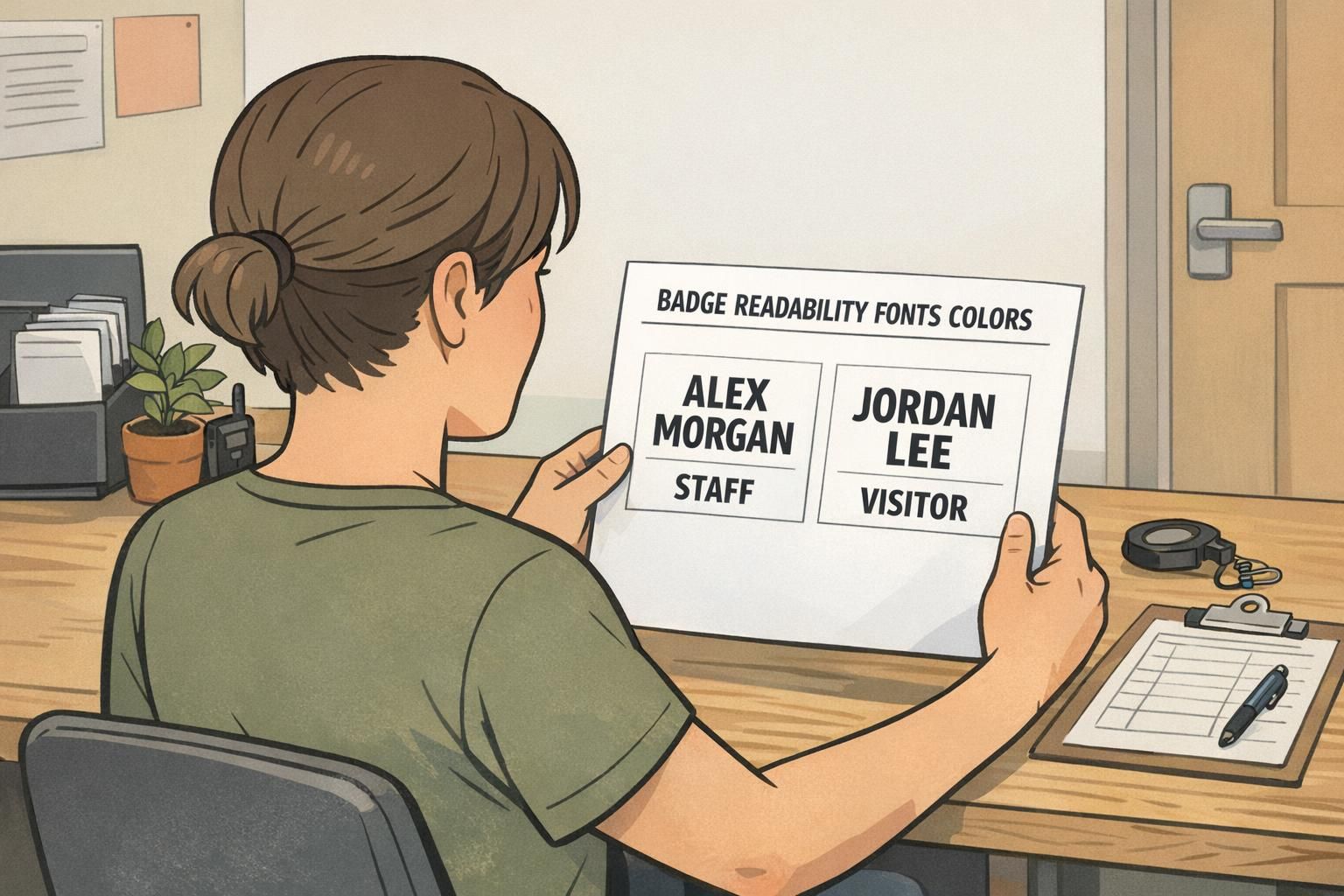
Why badge readability fonts colors matter in real-world settings Badge readability fonts colors aren’t just a design preference—they’re what make identificatio...