Back of badge ideas: Practical, Scannable Ways to Use the Reverse Side
Why the back of a badge is valuable space (even beyond policies) When people think about an ID badge, they usually think about the front: name, photo, role, an...
Why the back of a badge is valuable space (even beyond policies) When people think about an ID badge, they usually think about the front: name, photo, role, an...
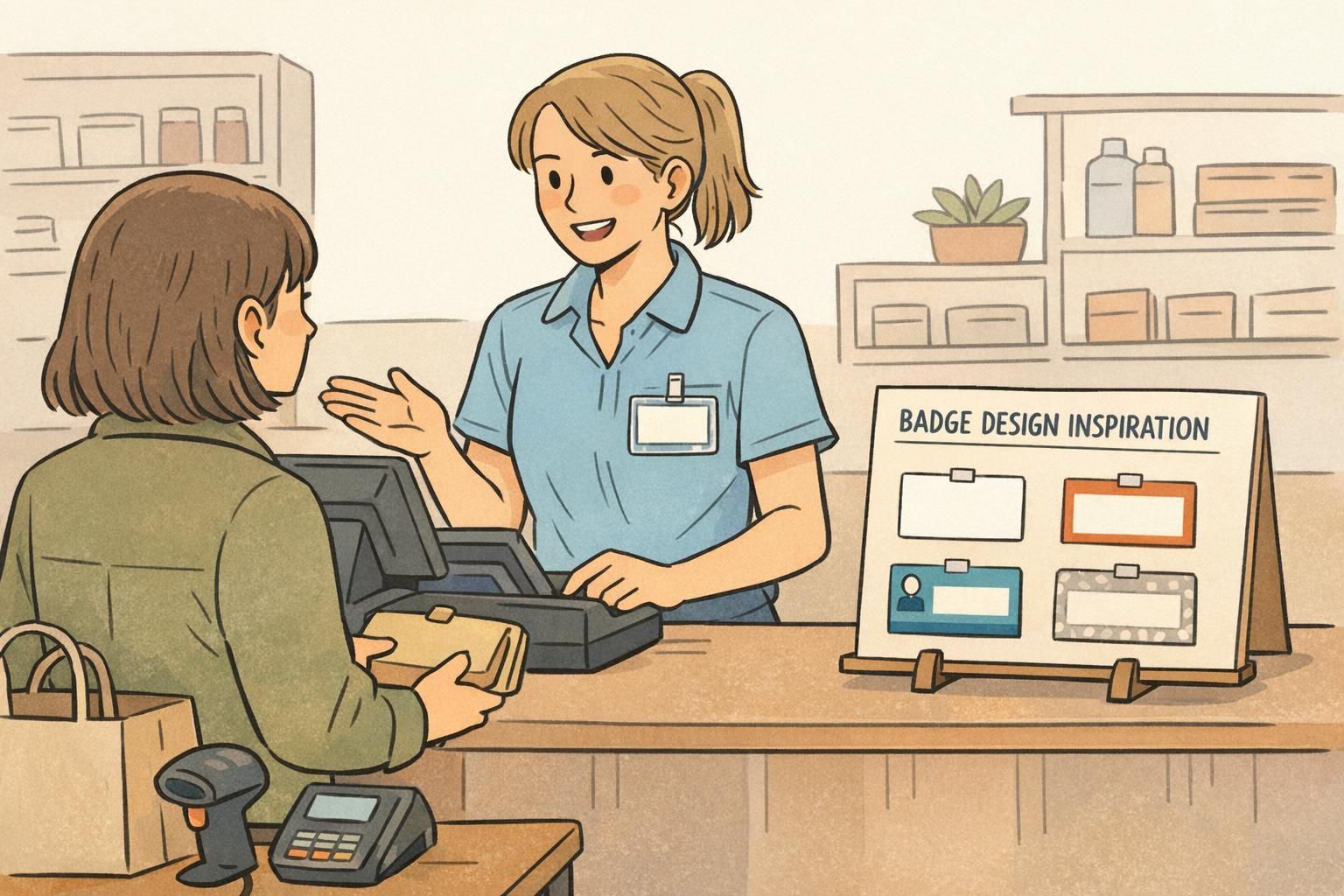
Why Badge Design Inspiration Matters Across Industries Good IDs do one thing exceptionally well: they let people understand who someone is—quickly, confidently...
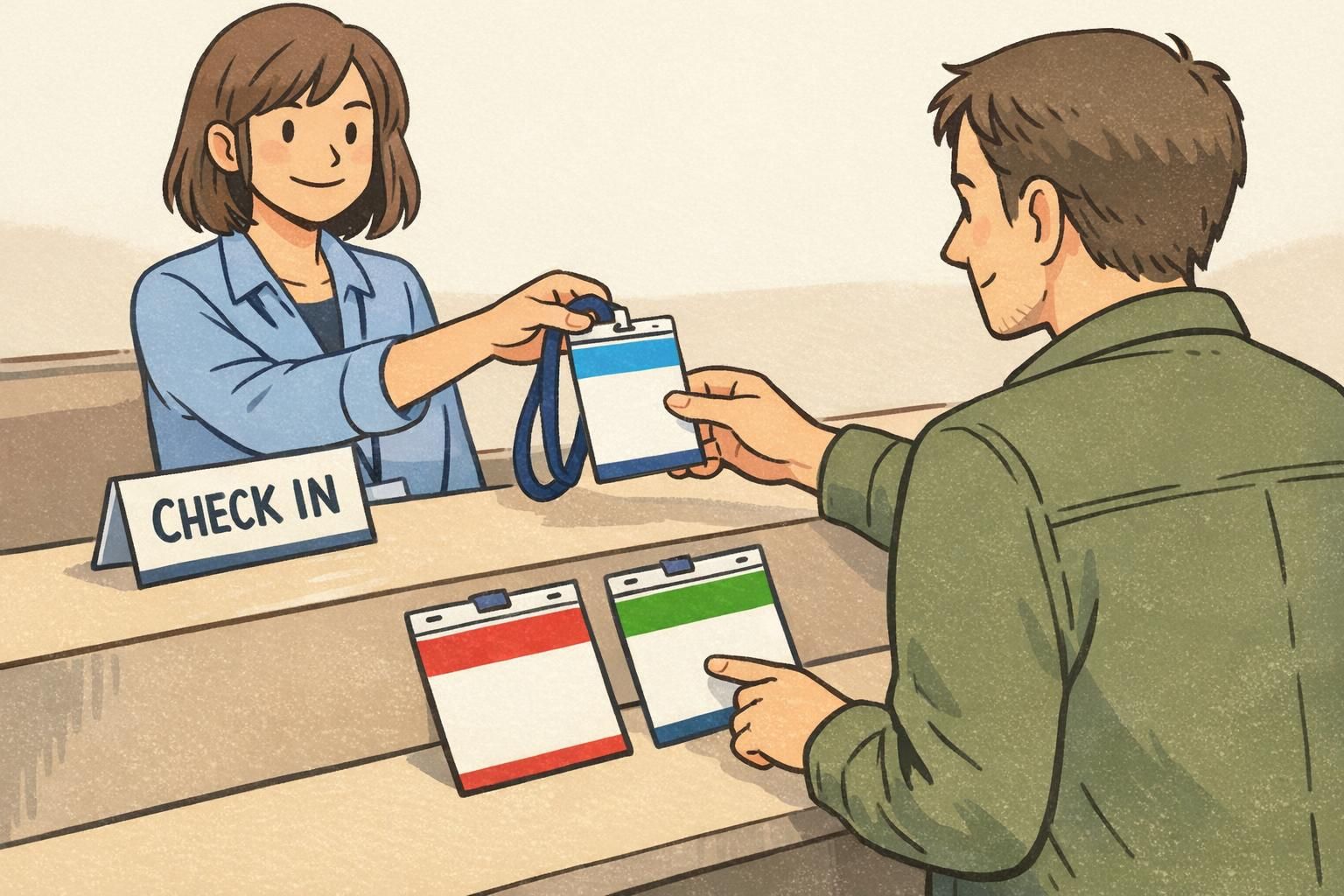
Why Badge Color Psychology Matters in Everyday Identification Badge color psychology isn’t about making a badge look “nice.” It’s about making identification w...
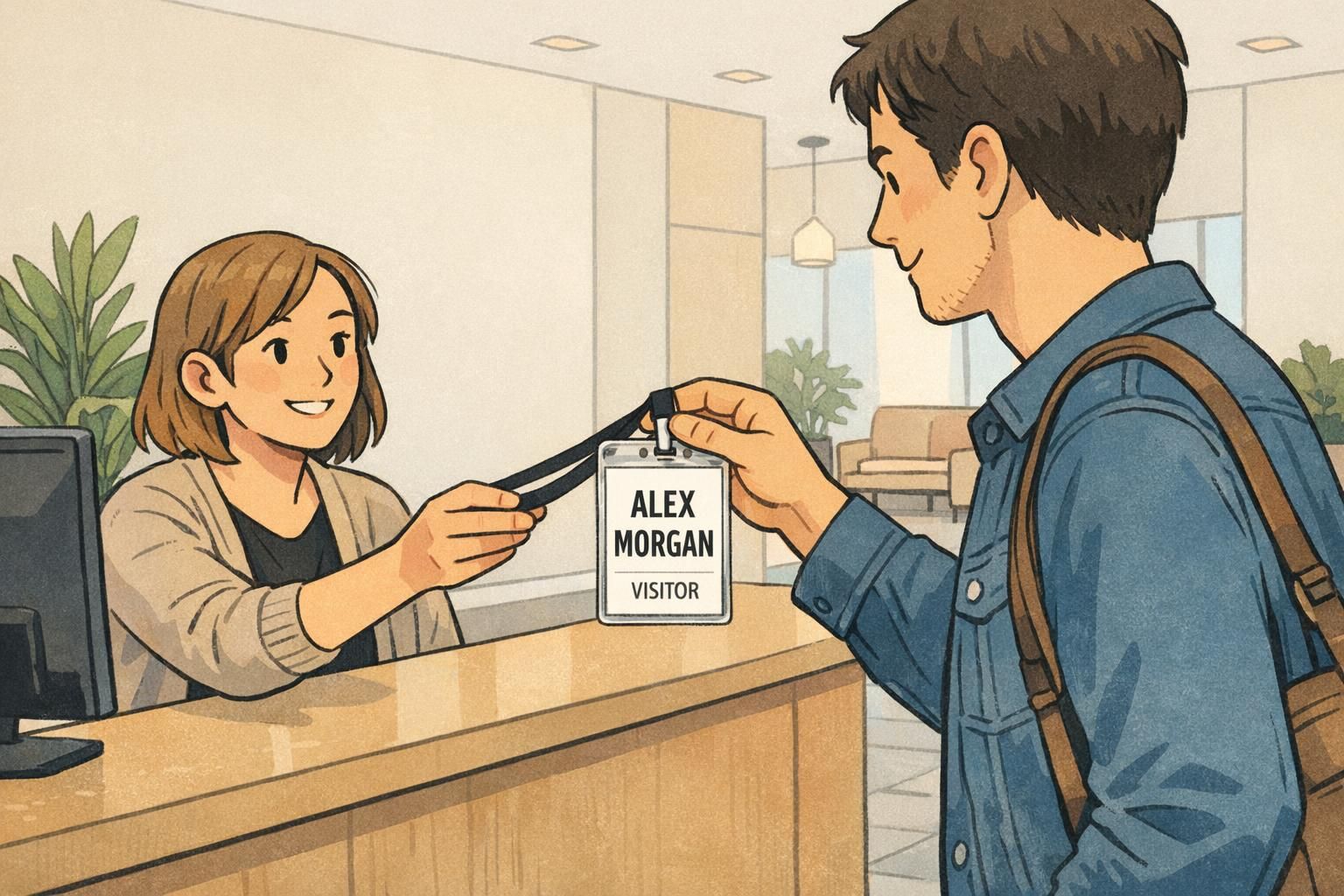
Why Minimalist ID Badge Design Looks Premium and Reads Faster A minimalist ID badge works because it respects how people actually scan information: fast, from...

Why a Networking Name Tag Should Do More Than Show a Name A networking name tag is often the first “introduction” people see. Before anyone says hello, the tag...
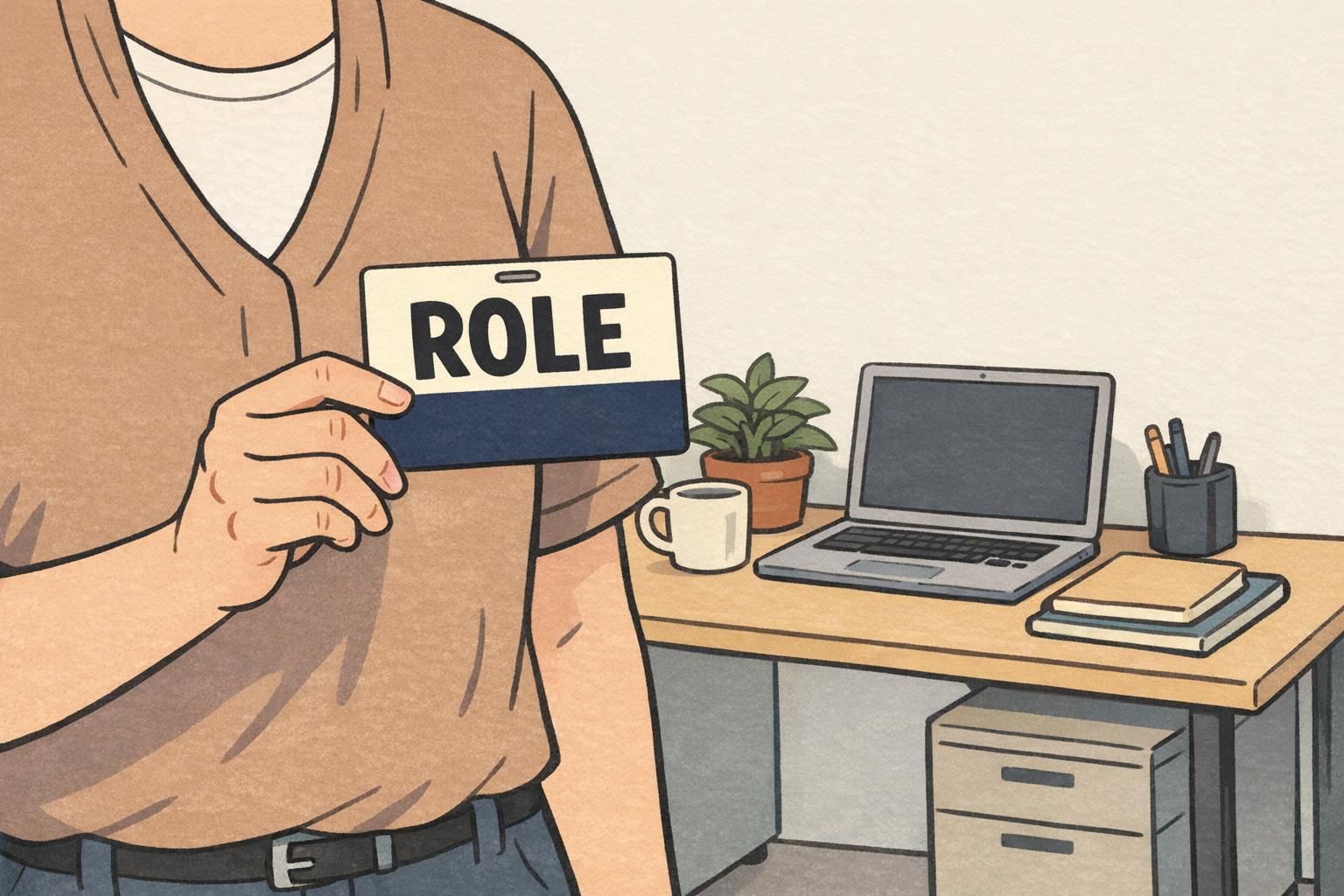
What makes a role identifier card feel clear and polished A well-made role identifier card should be easy to understand in a split second. The best designs use...

Why a Matte ID Card Finish Can Improve Everyday Readability A matte ID card finish is often chosen for one simple reason: it’s easier to read in the lighting p...
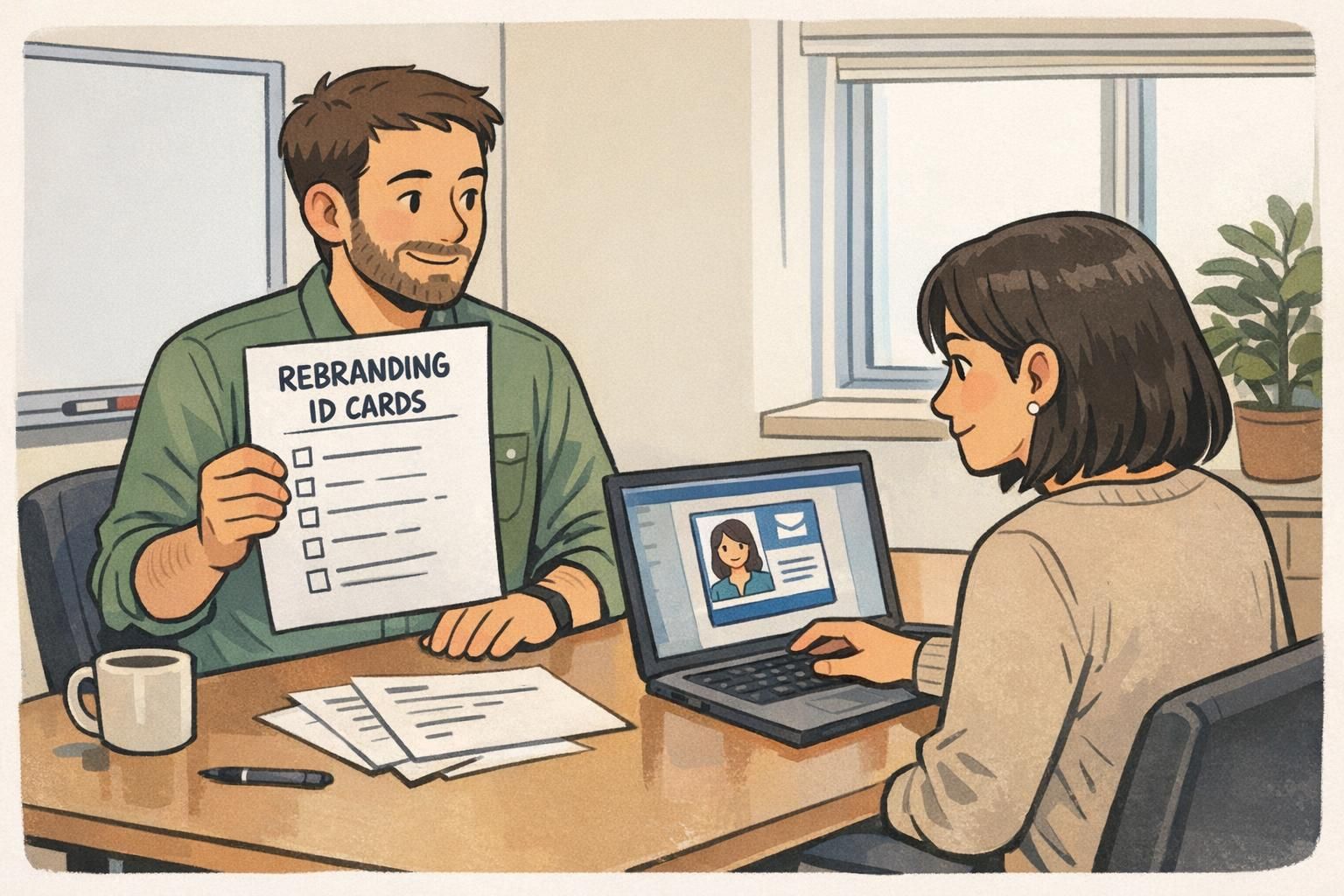
Why rebranding ID cards should be part of your brand rollout plan Rebranding ID cards is one of the fastest ways employees, contractors, and visitors experienc...
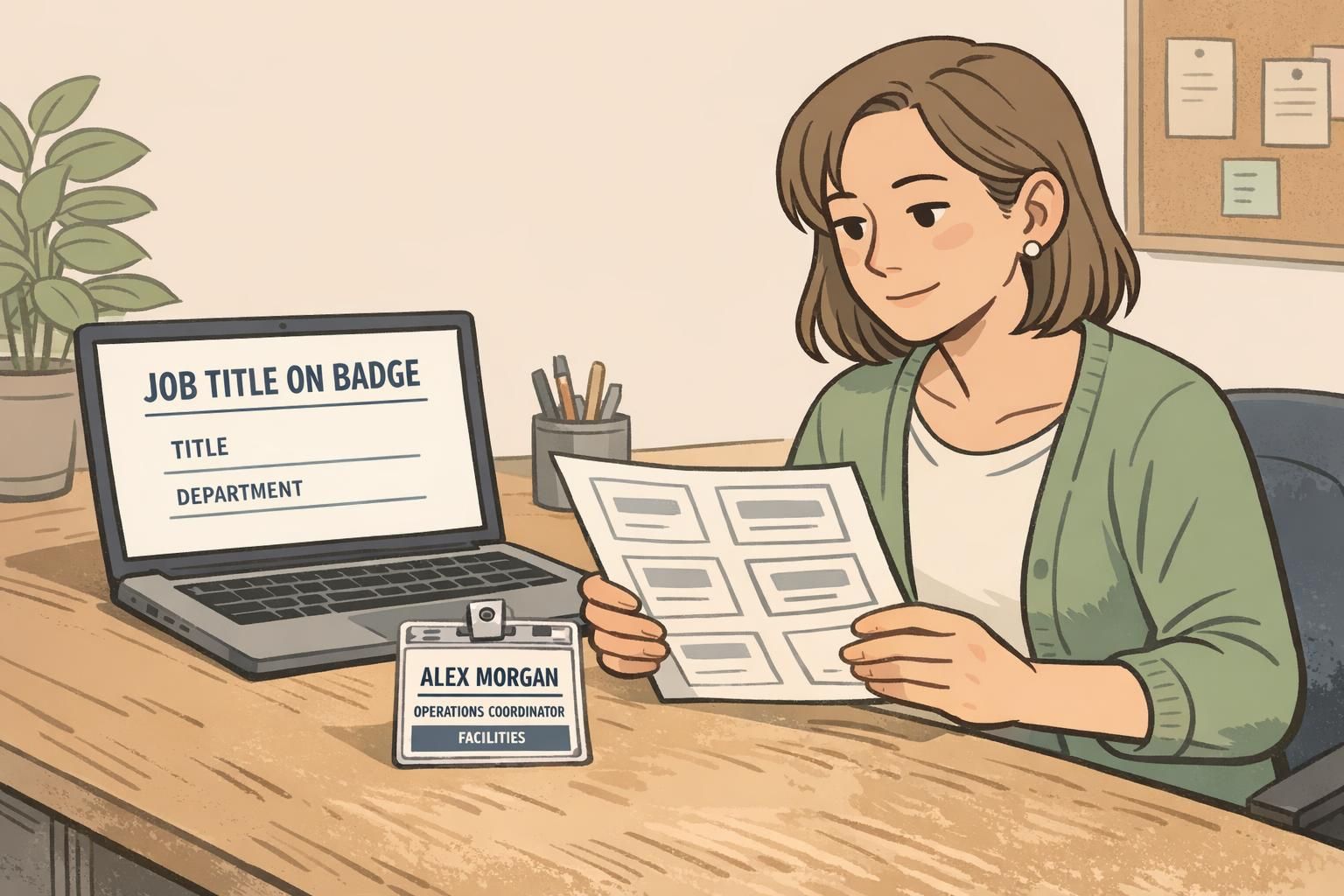
Why standardizing the job title on badge matters A standardized job title on badge helps people understand roles quickly—without needing introductions, hallway...
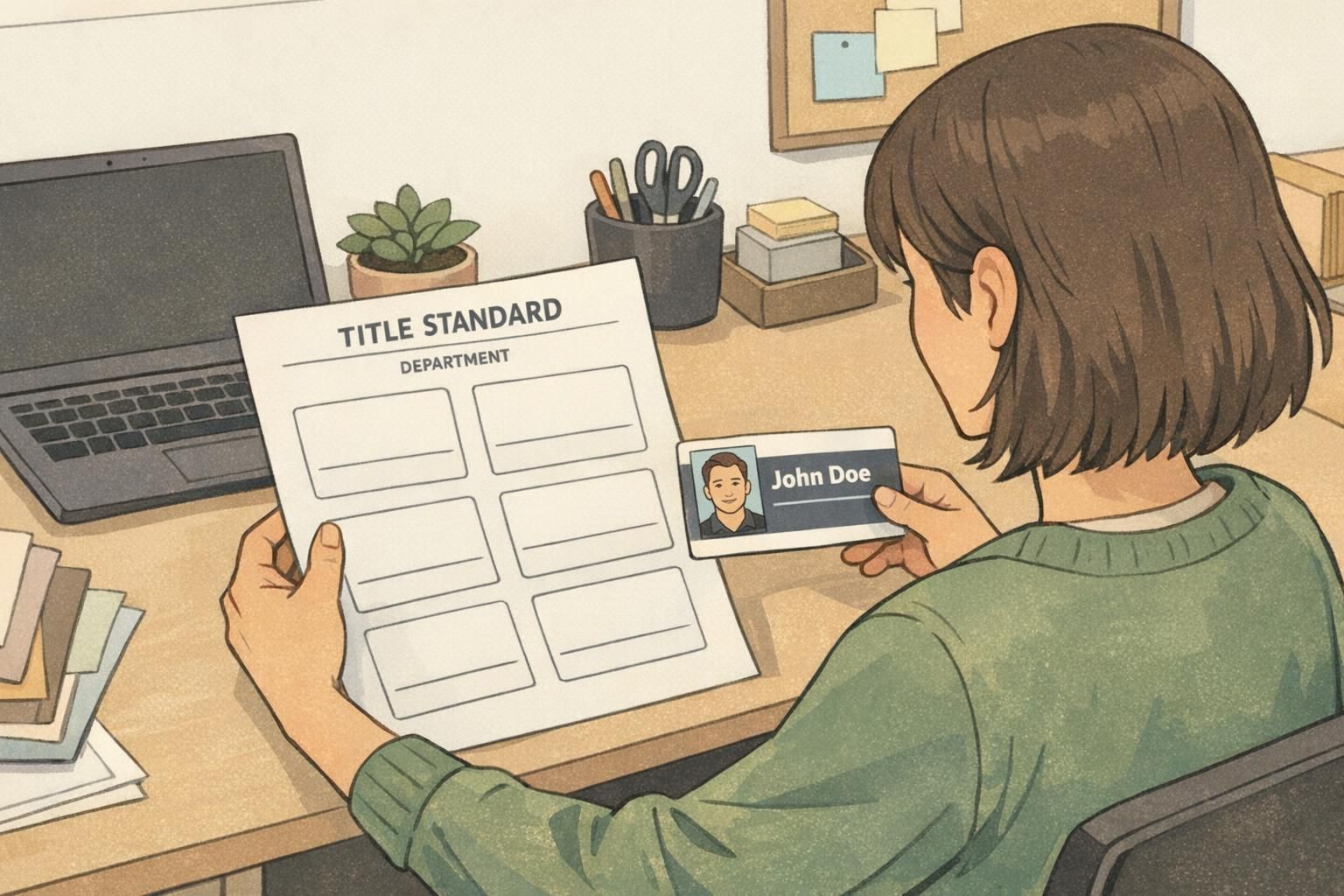
Why standardize the job title on badge and department naming? When someone is trying to find help—whether it’s a visitor in a lobby, a patient family member in...
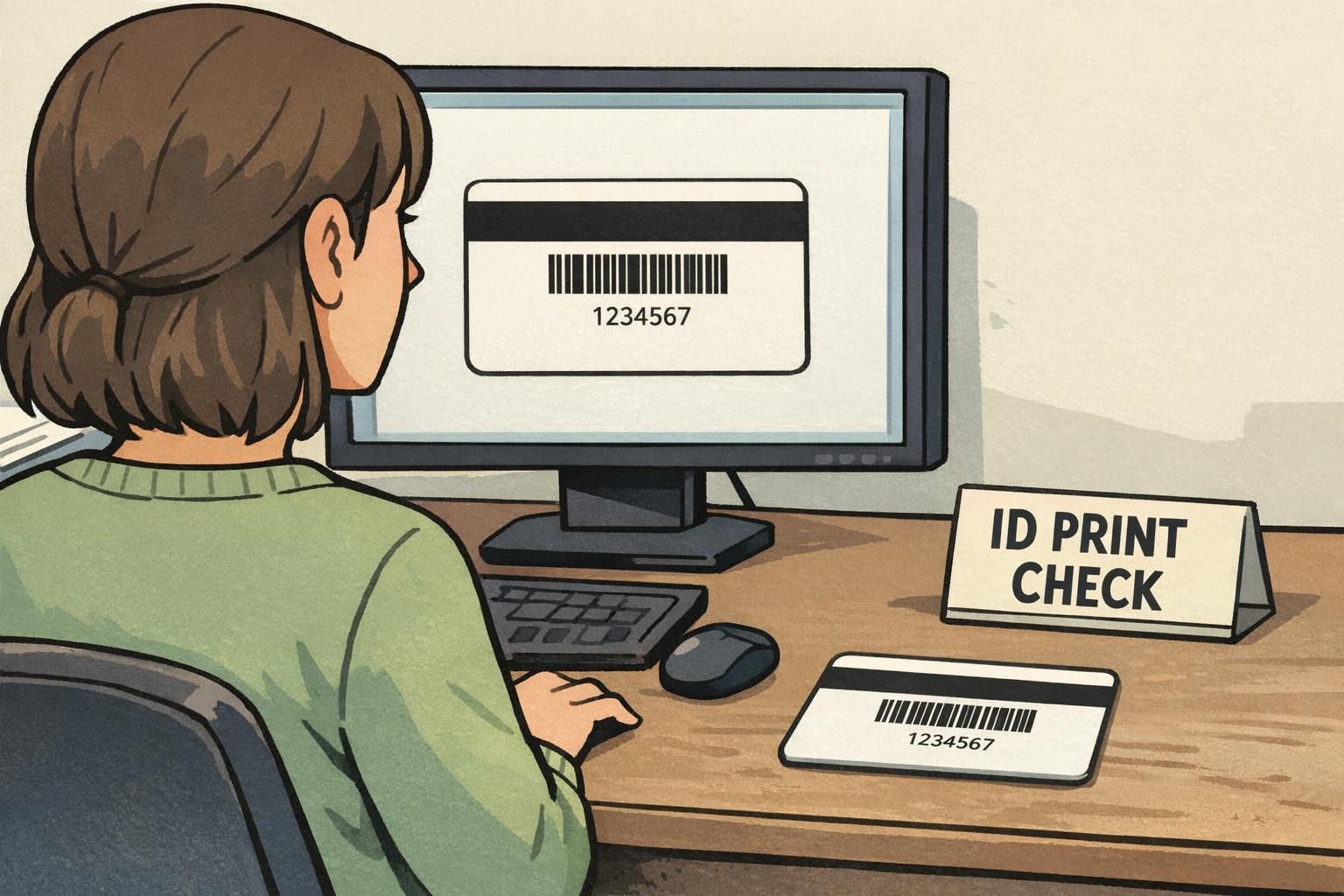
Why the Back of ID Card Matters (and When to Use It) The back of ID card is some of the most useful “hidden” space in workplace identification. The front usual...