Multi location ID Design: One Brand, Local Details That Stay Consistent
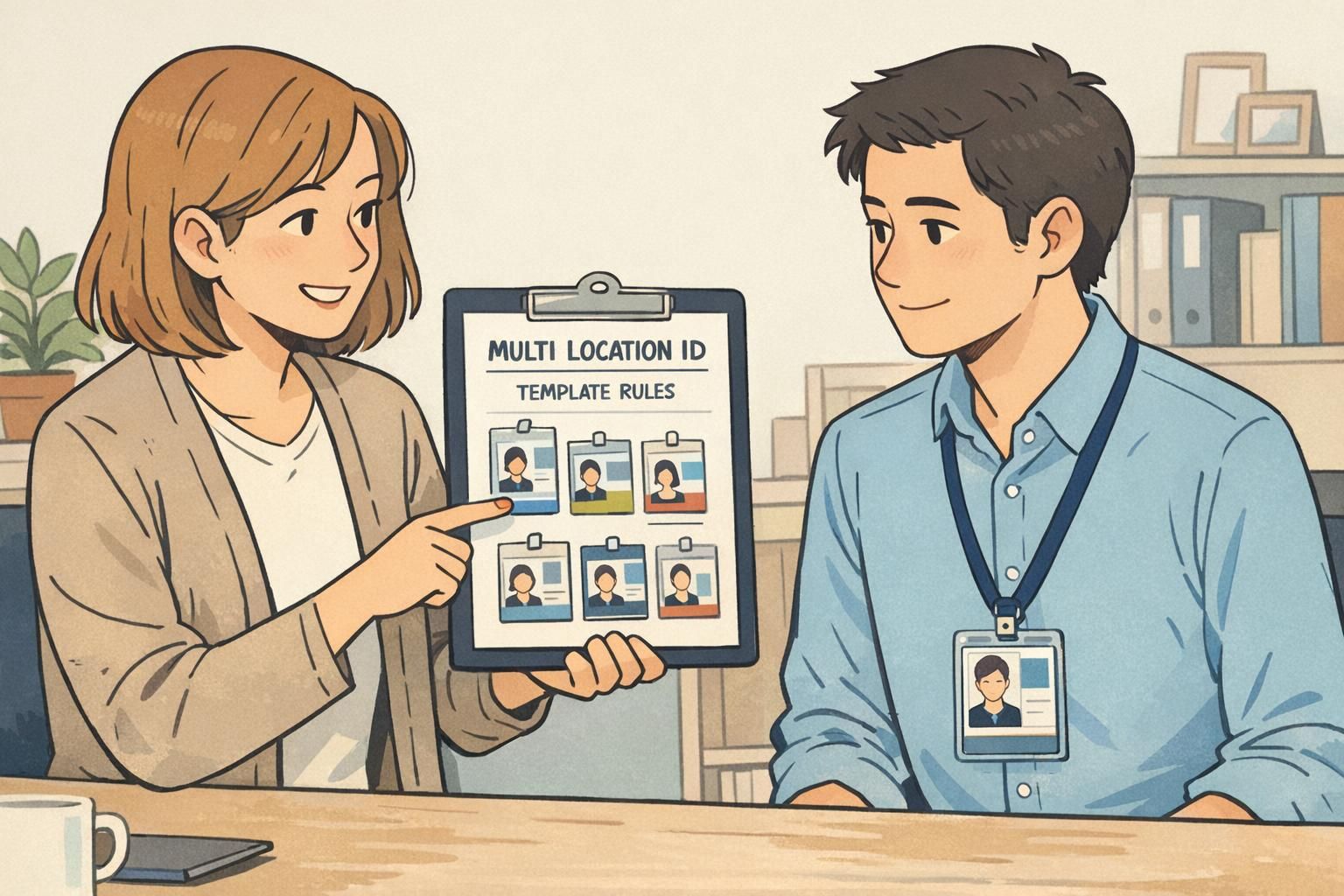
Why multi location ID design needs both consistency and local clarity A multi location ID program has two jobs at once: make your organization recognizable eve...
Why multi location ID design needs both consistency and local clarity A multi location ID program has two jobs at once: make your organization recognizable eve...
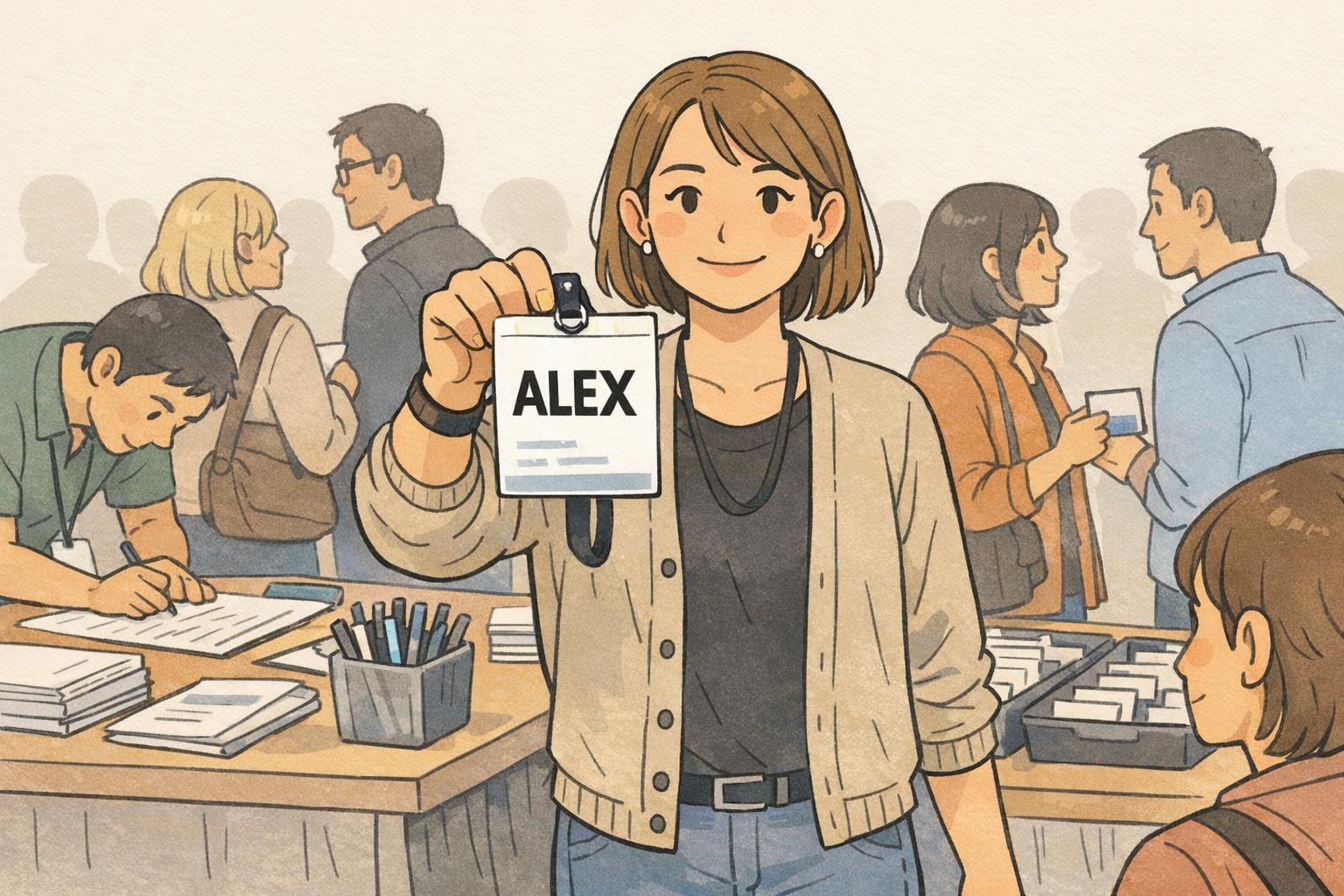
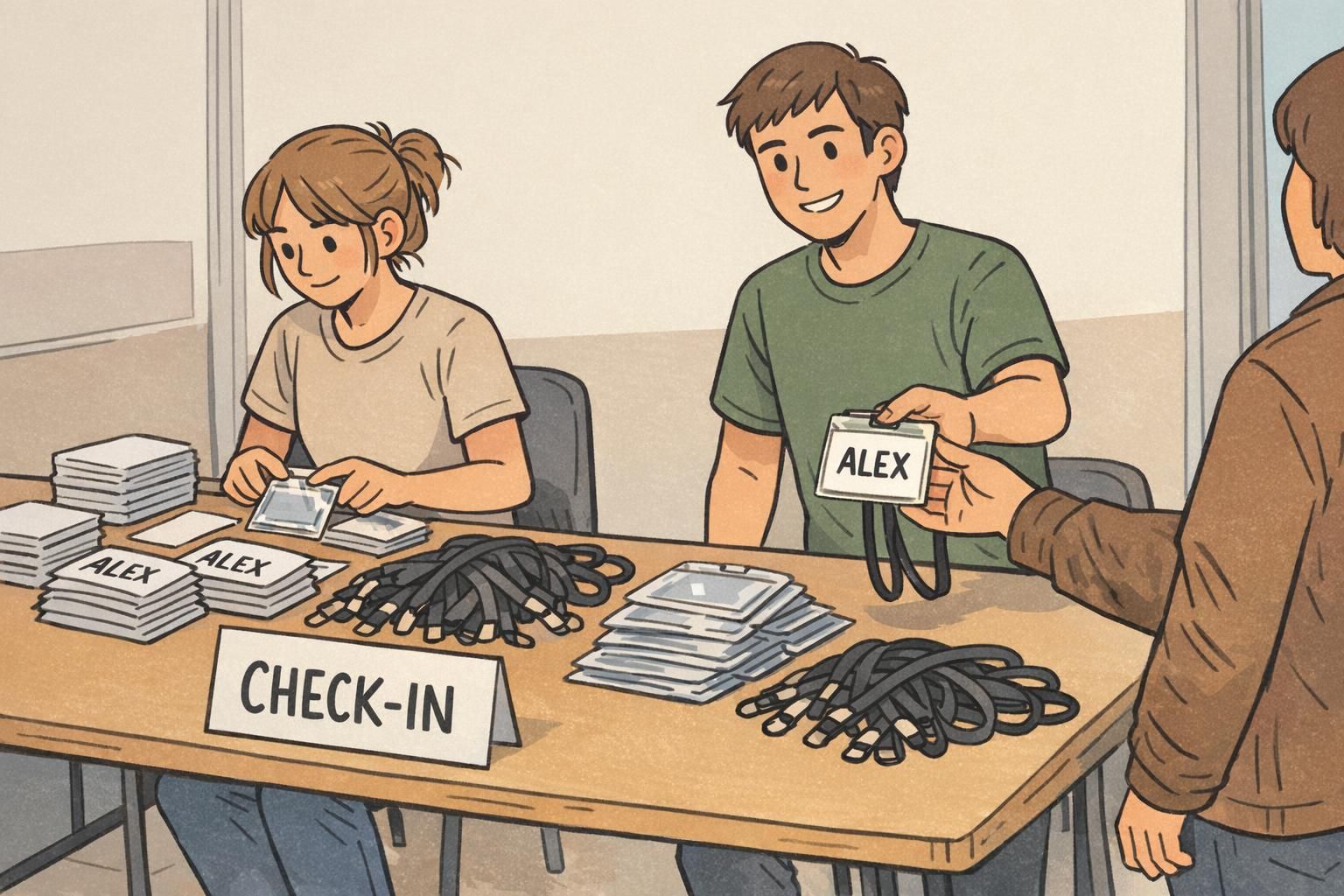
Why the One-Line Rule Works for an Event Name Tag In a crowded room, people don’t read name tags the way they read a webpage. They glance while walking, while...
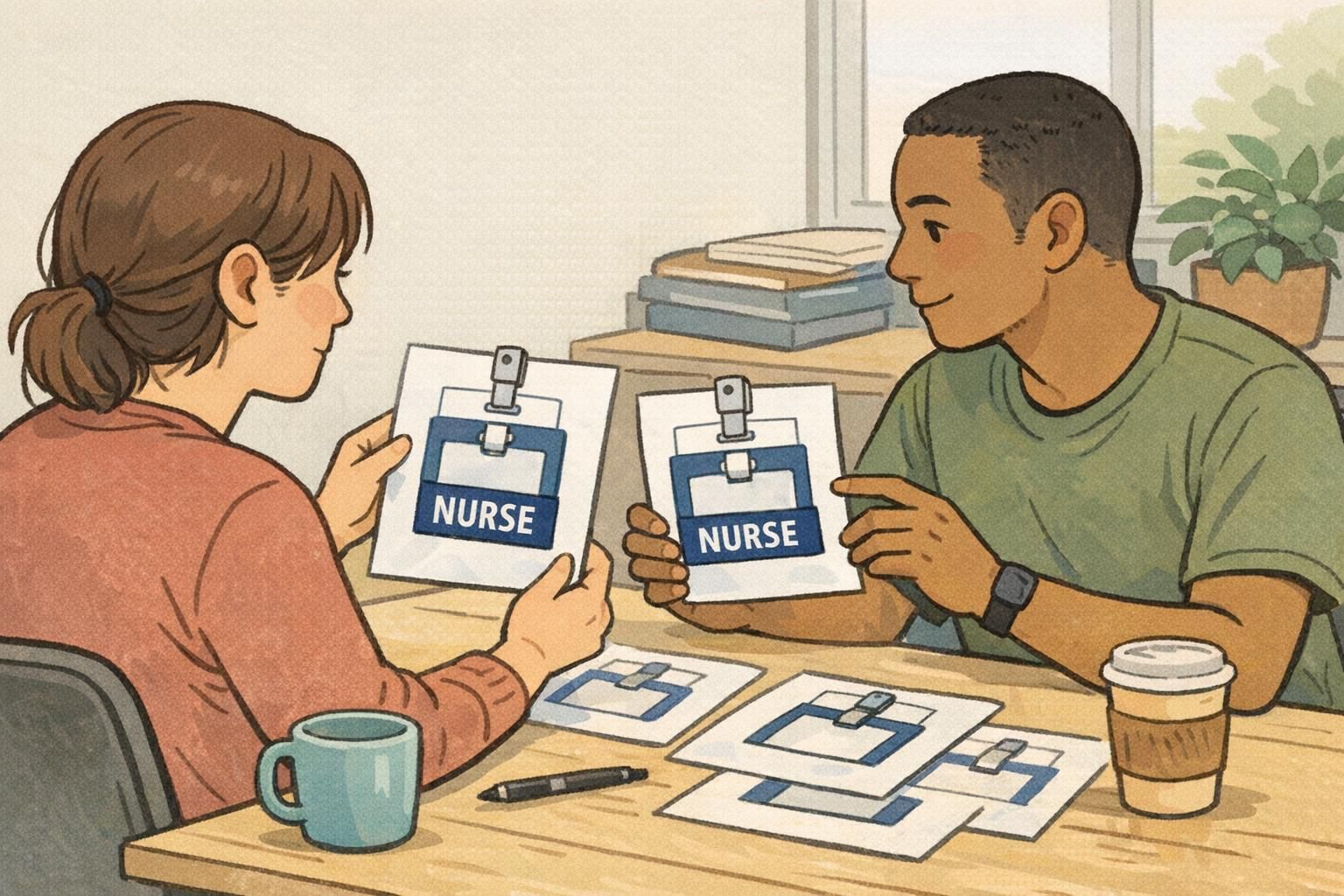
Why badge buddy design matters for fast role recognition In a busy workplace, people rarely have time to “read” an ID—they scan it. Good badge buddy design mak...
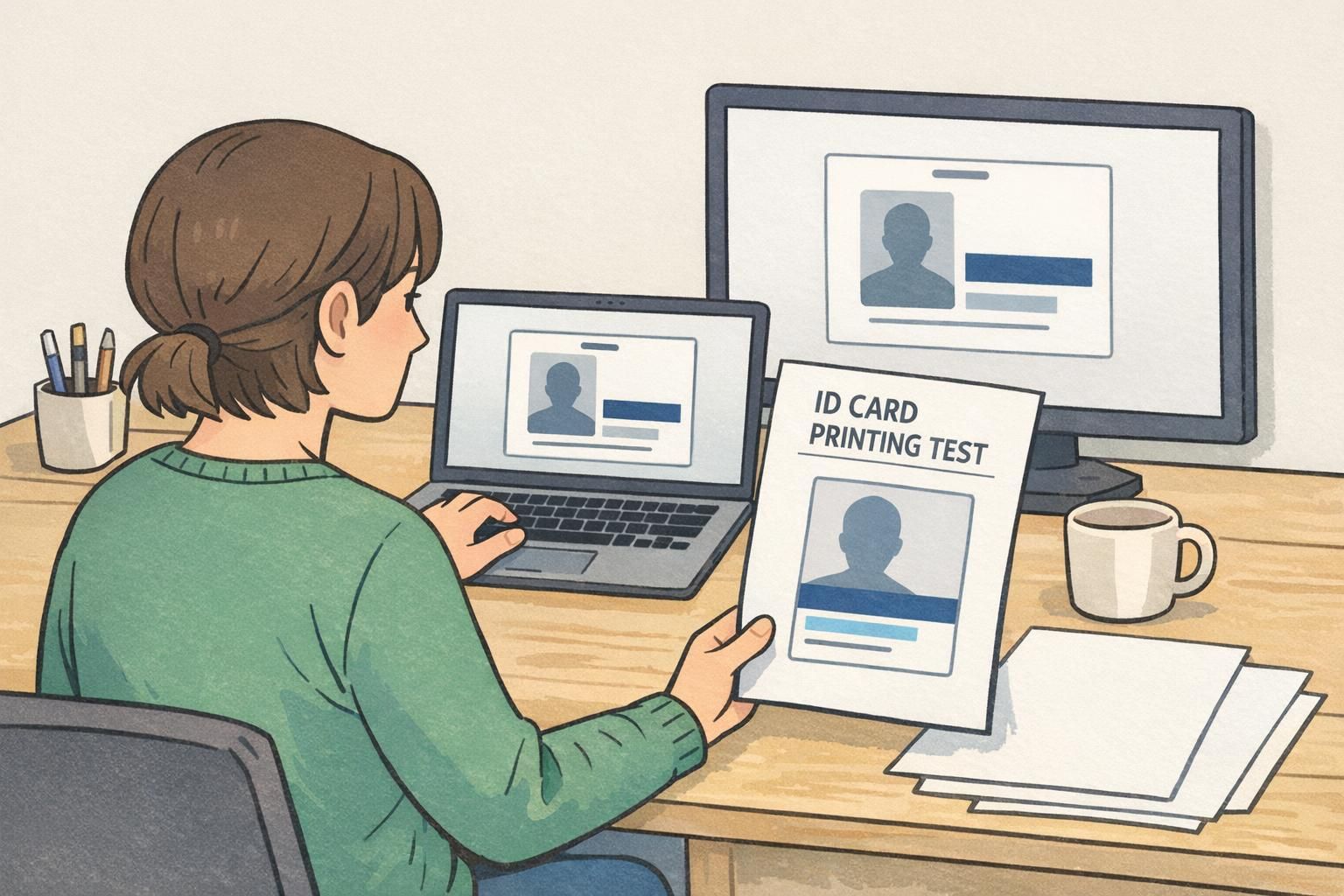
Why Screens and Printers Don’t Match (and Why It Matters for In-House IDs) ID card printing can be surprising the first time you compare a clean on-screen prev...
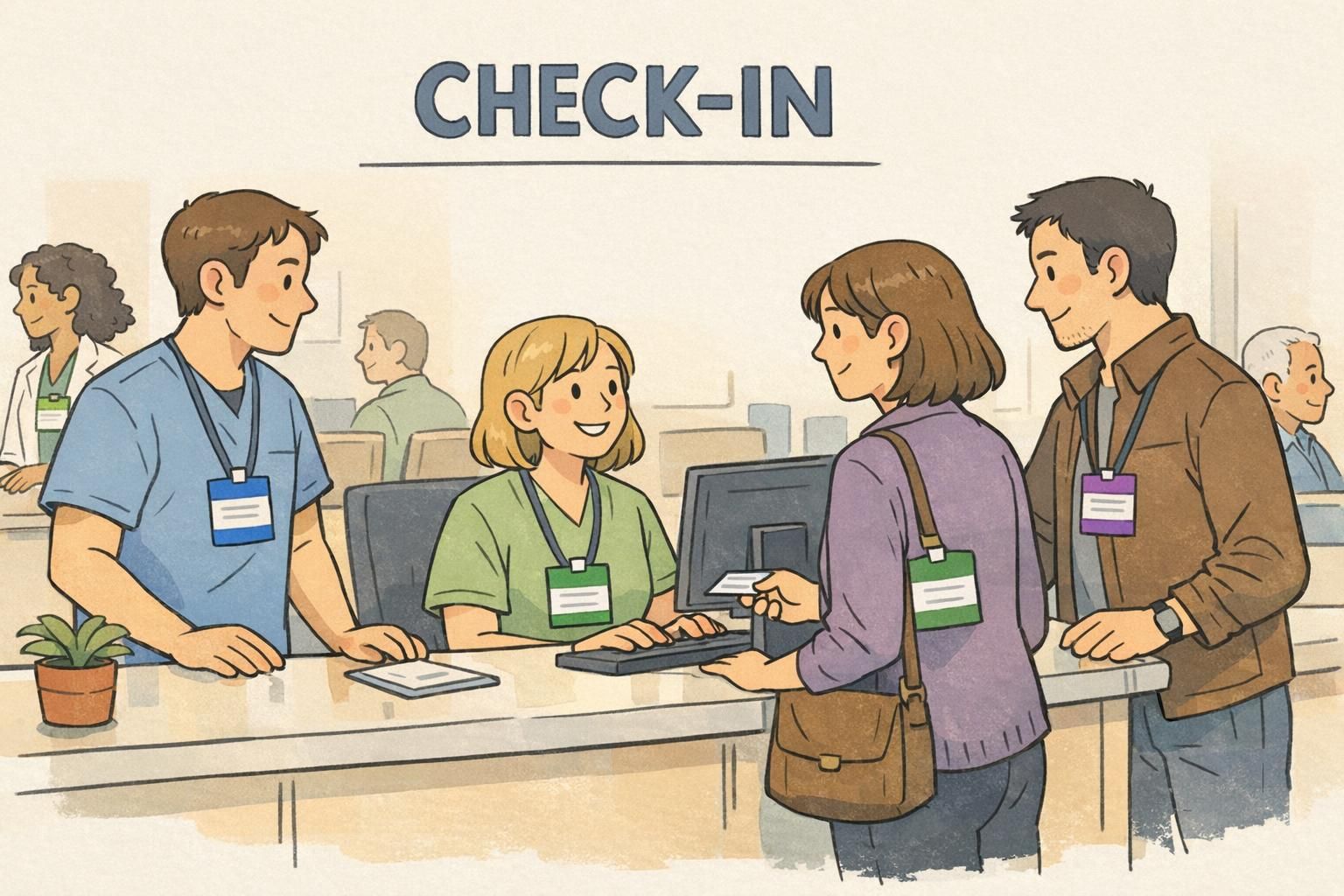
Why color coded badges work (and when they don’t) In busy workplaces, color coded badges can reduce friction in the small moments that matter: finding the righ...
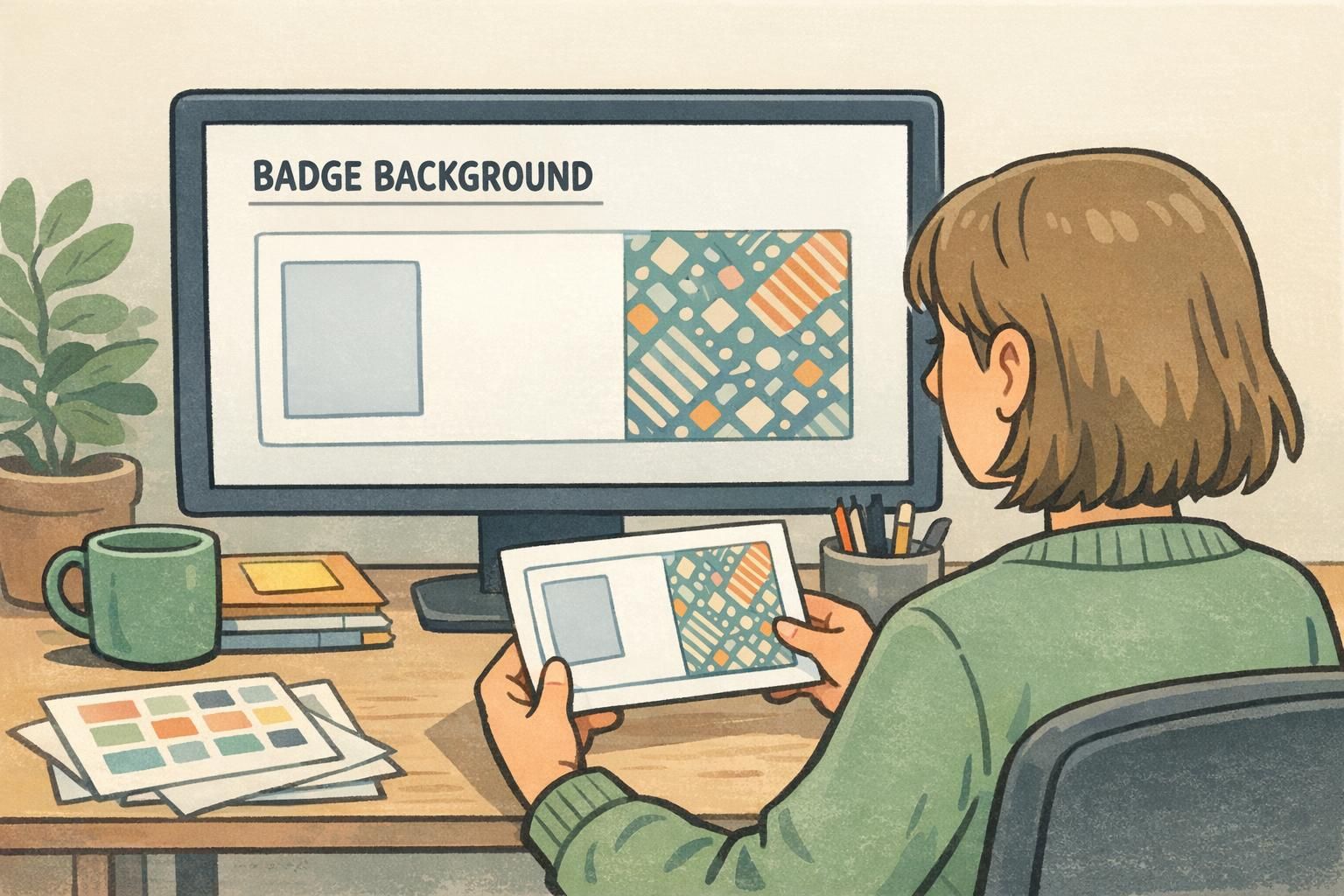
Why a Busy Badge Background Hurts Readability A badge is supposed to answer simple questions fast: Who is this? What’s their role? Are they allowed in this spa...
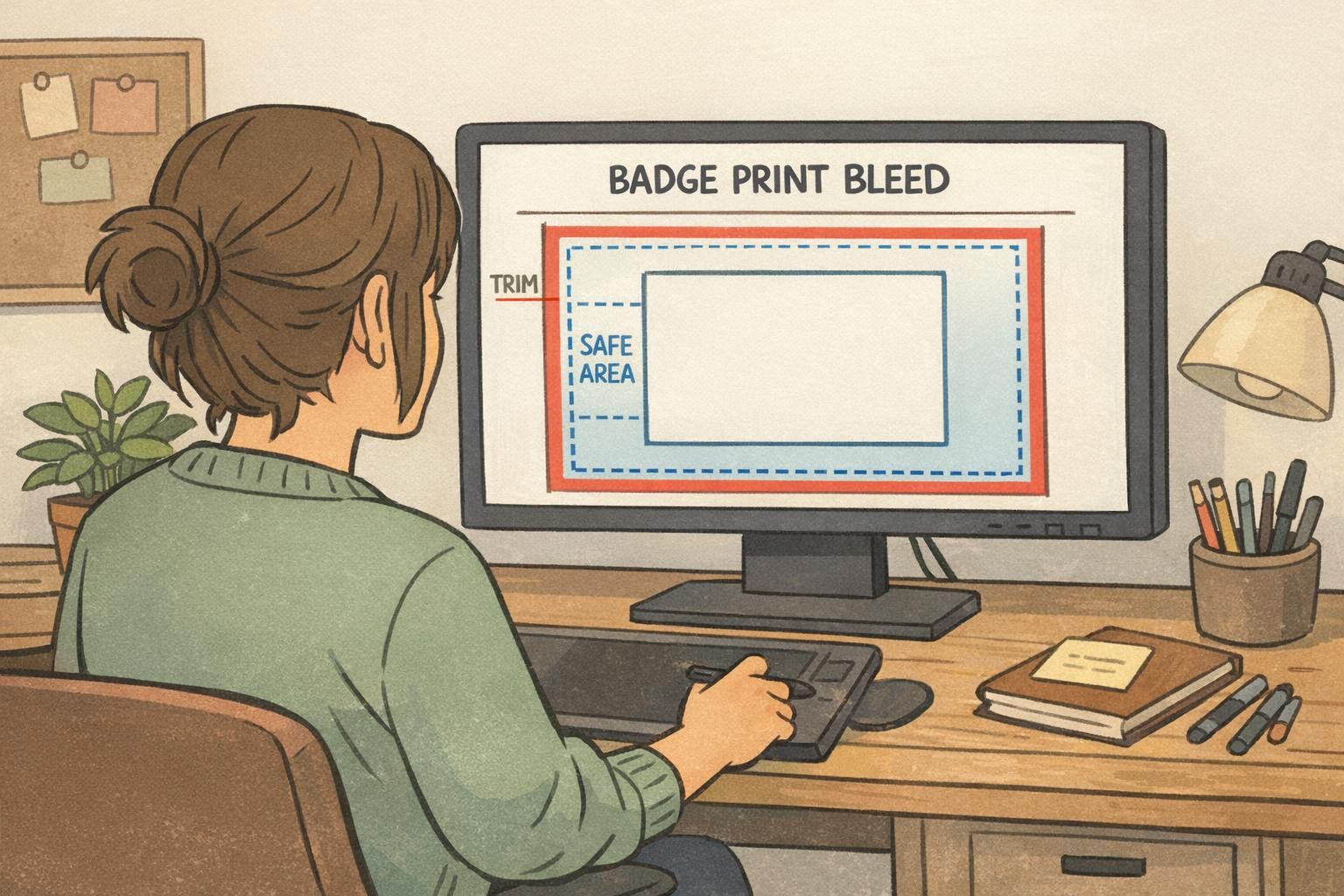
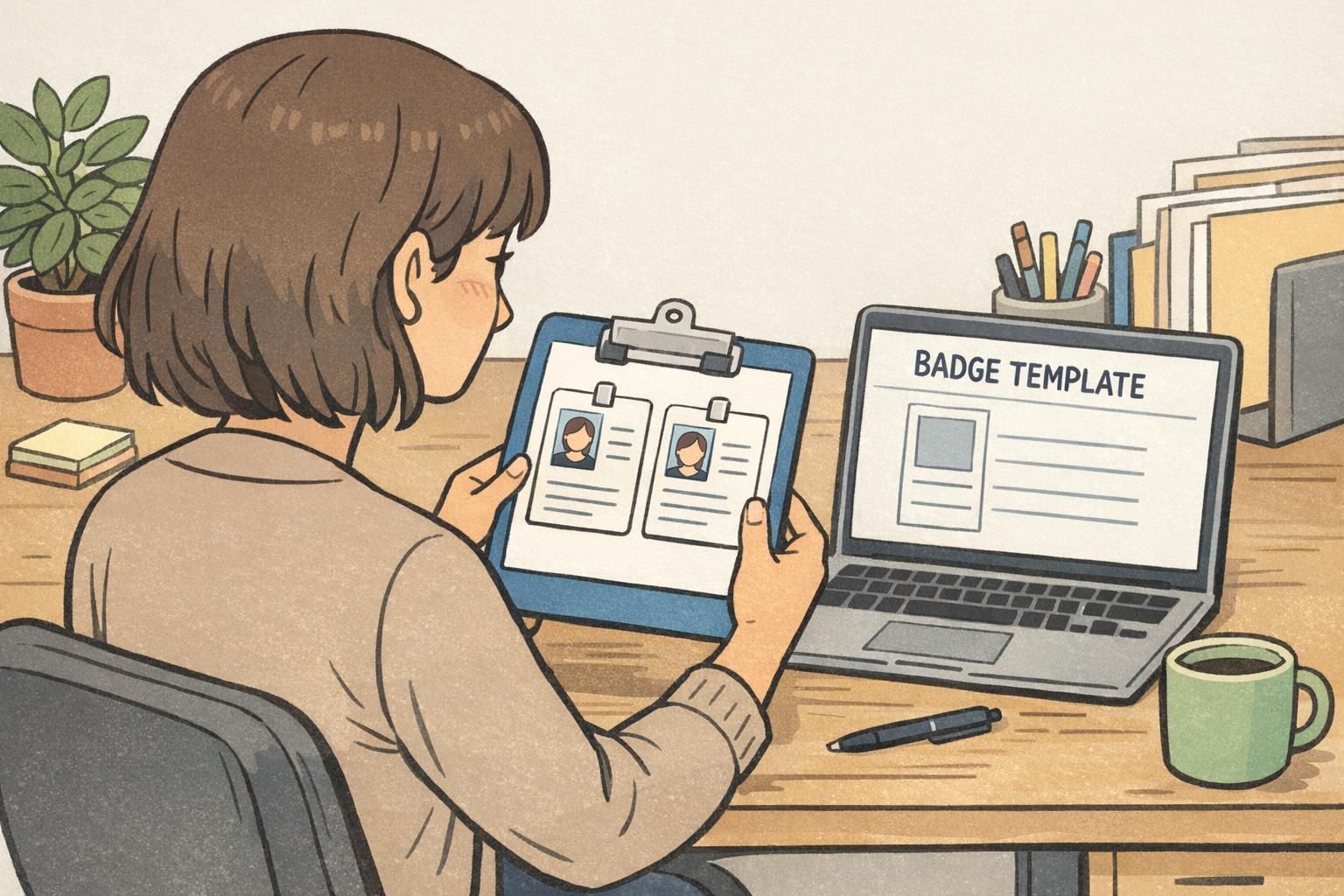
Why a badge template keeps every ID looking like one system A badge template is the easiest way to make identification feel intentional instead of improvised....
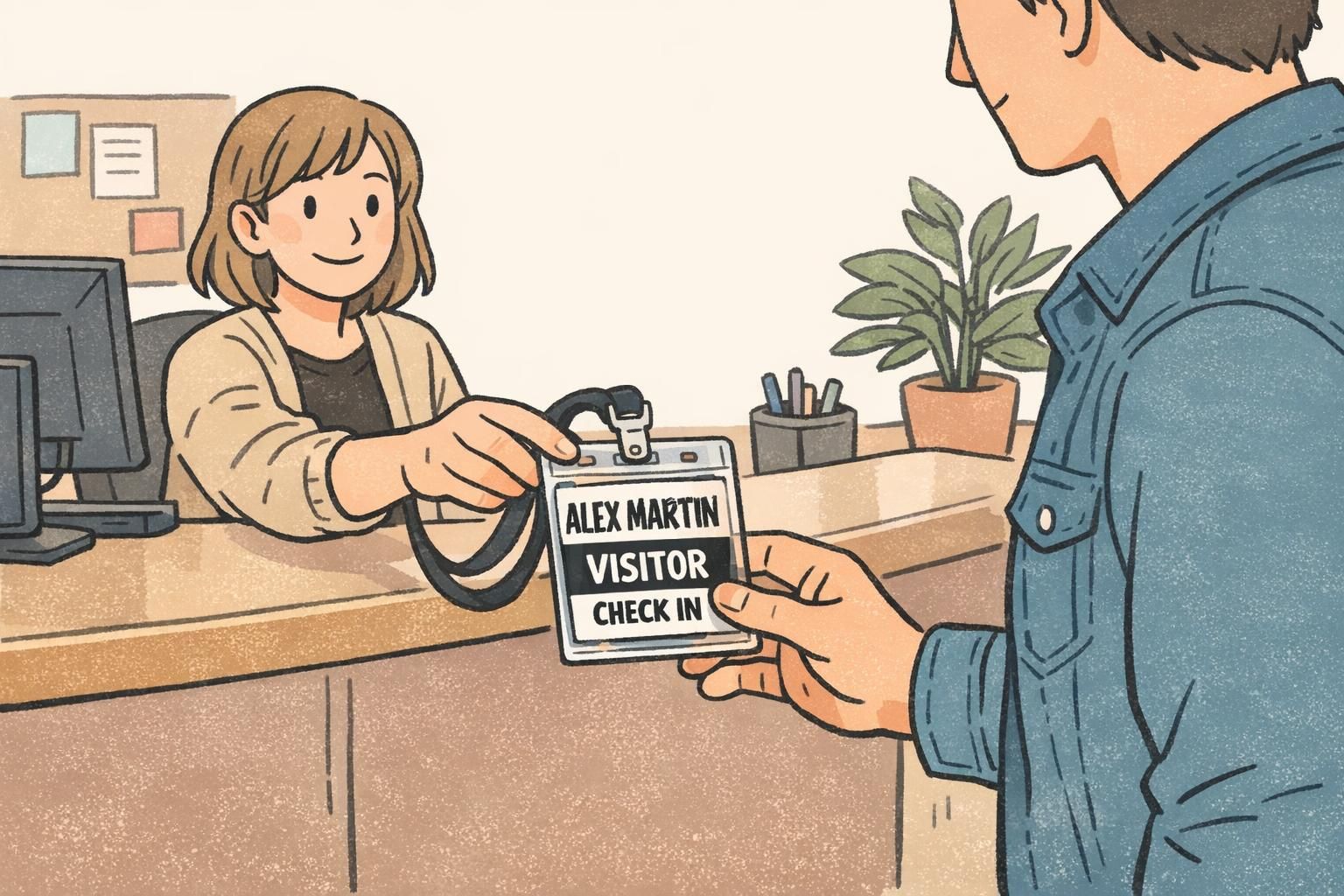
Why an accessible ID badge helps everyone (not just a few people) An accessible ID badge is one of those small design choices that quietly improves a whole env...
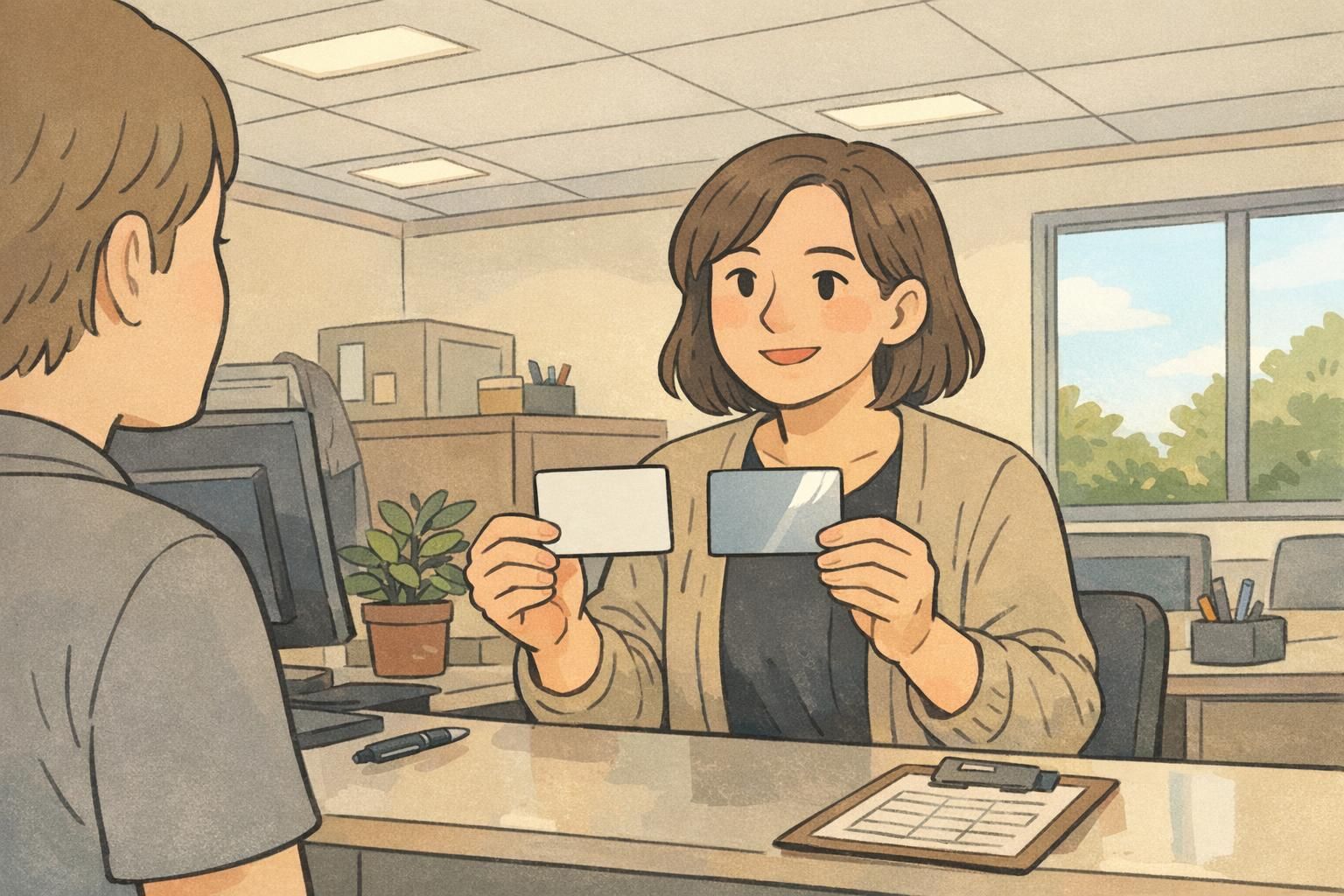
Why matte ID card finish matters under real-world lighting Most workplaces and events don’t have “perfect” lighting. You might have bright overhead LEDs, dayli...
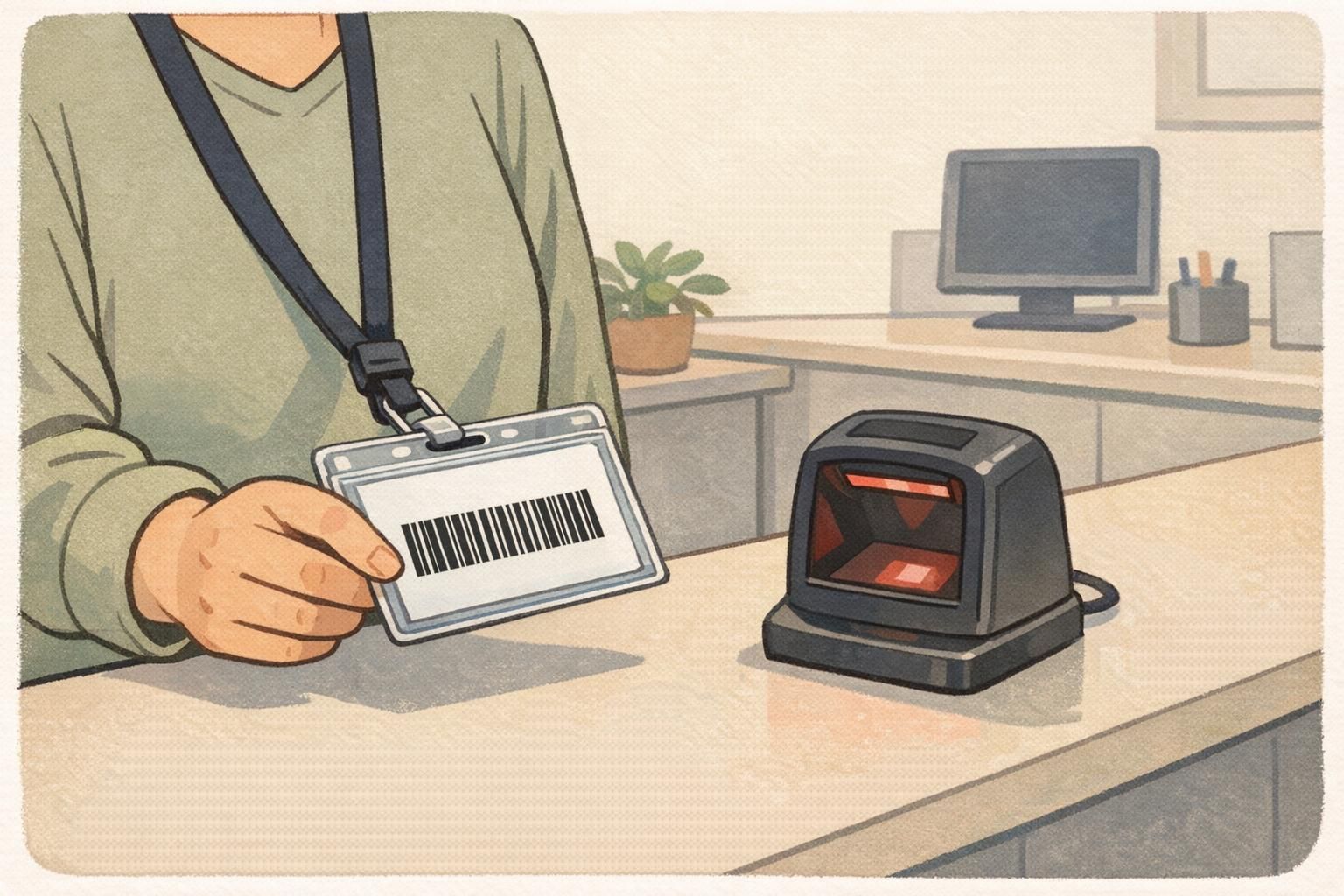
Why Barcode Durability Matters for Daily Badge Use A barcode ID card is only as dependable as the condition of the printed code. In real workplaces and events,...
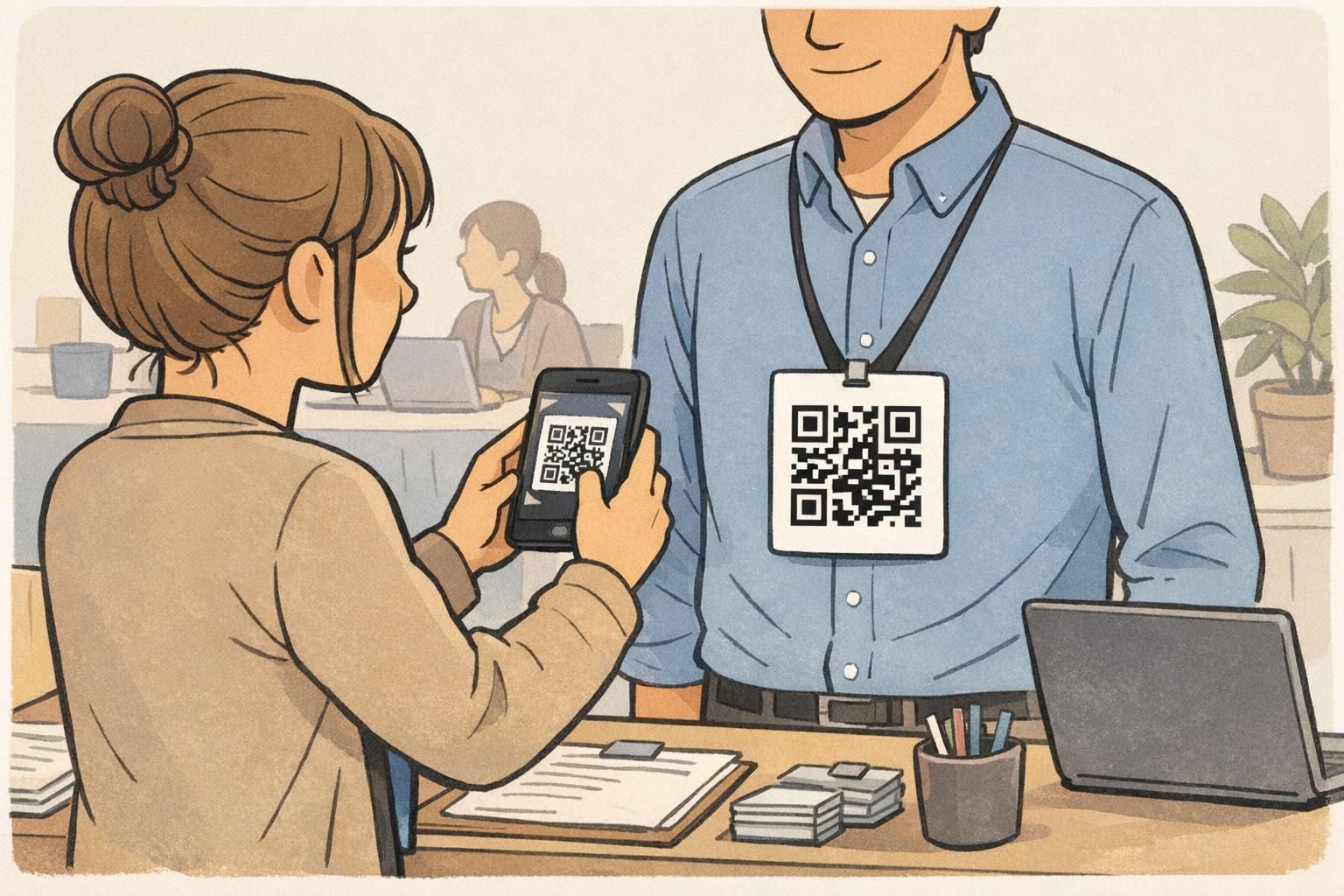
Why QR codes on badges fail (and how to prevent it) A QR code badge is only as useful as its first scan. If the camera hesitates, locks onto the wrong target,...