Psychological Safety at Work: Using Name Tags to Reduce Awkward Introductions
Why psychological safety makes introductions feel easier Psychological safety is the feeling that it’s okay to take small interpersonal risks at work—like star...
Why psychological safety makes introductions feel easier Psychological safety is the feeling that it’s okay to take small interpersonal risks at work—like star...
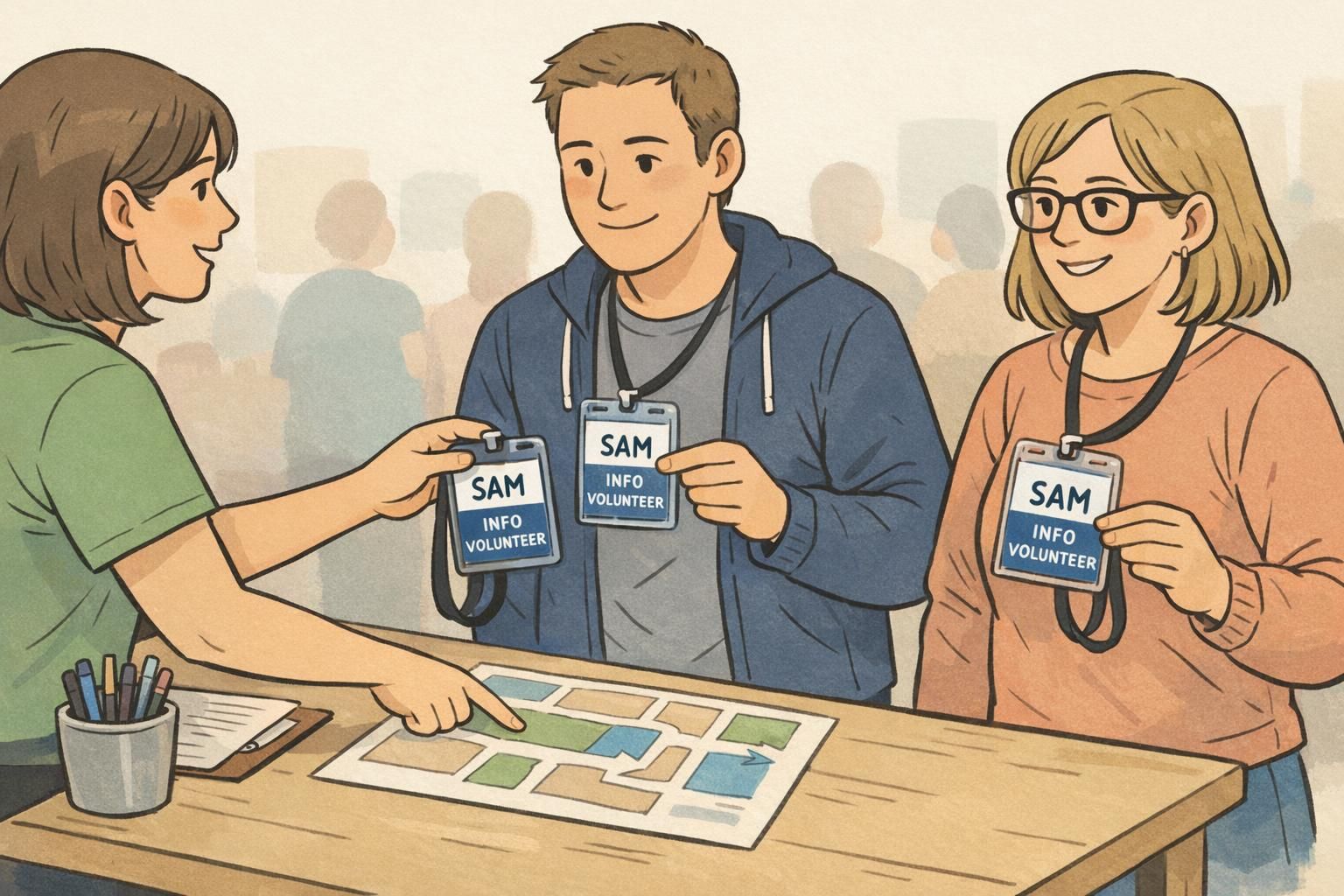
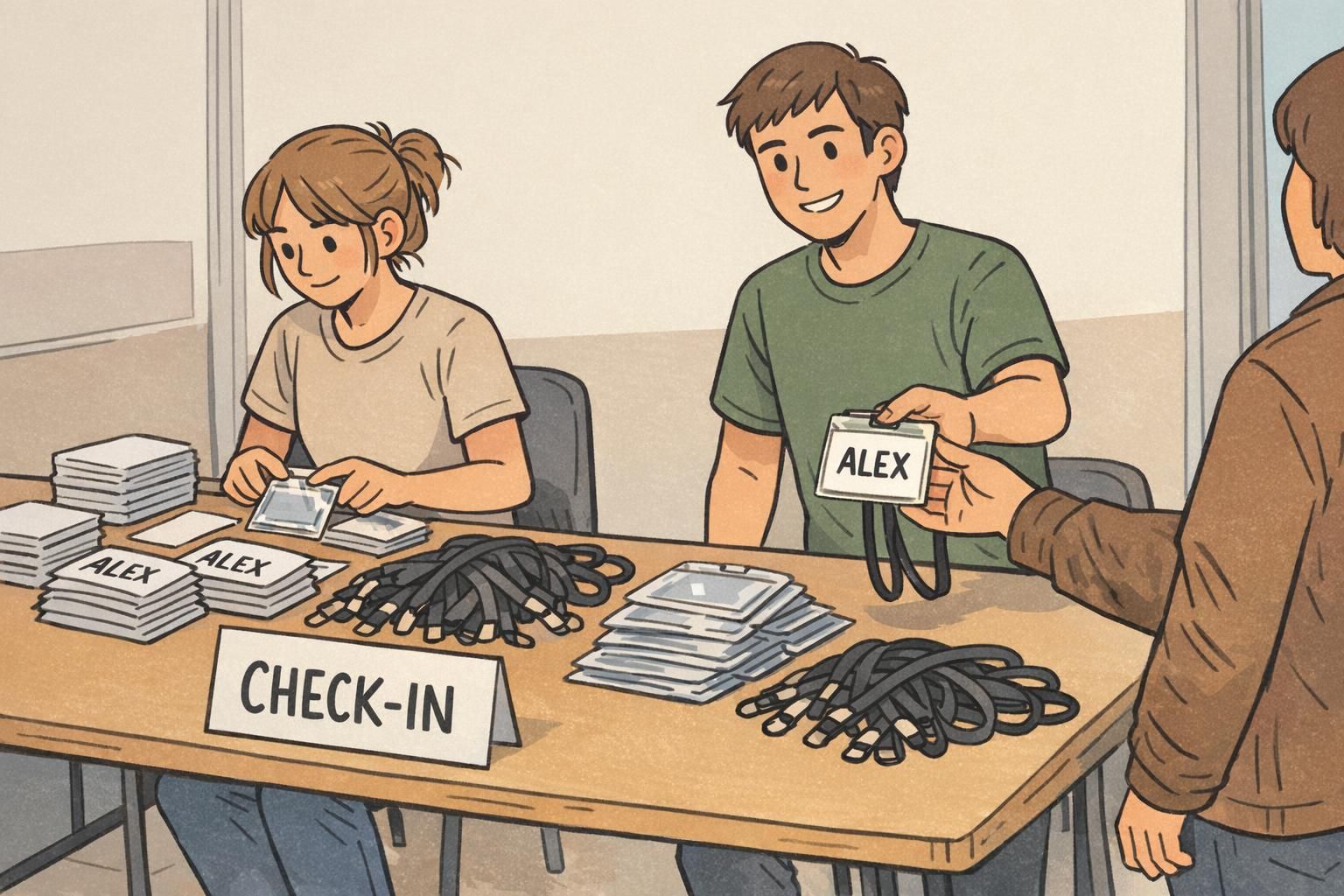
Why a Volunteer Name Badge Helps Volunteers Feel Official A volunteer name badge does more than display a name—it signals to everyone on-site that a person is...
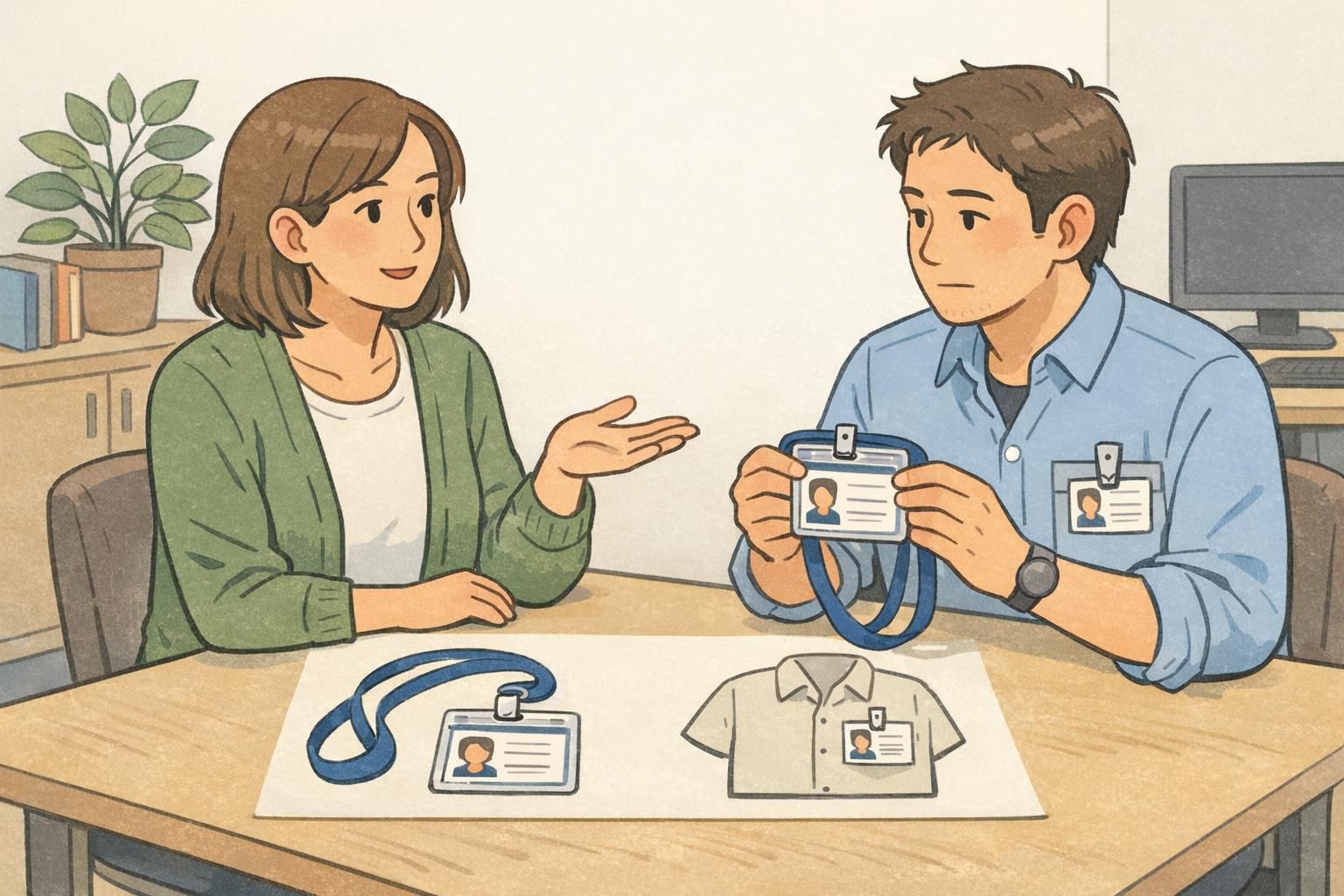
Why Employee Badge Complaints Happen (and Why Badges Still Matter) Employee badge complaints usually show up when a credential program is doing its job—badges...
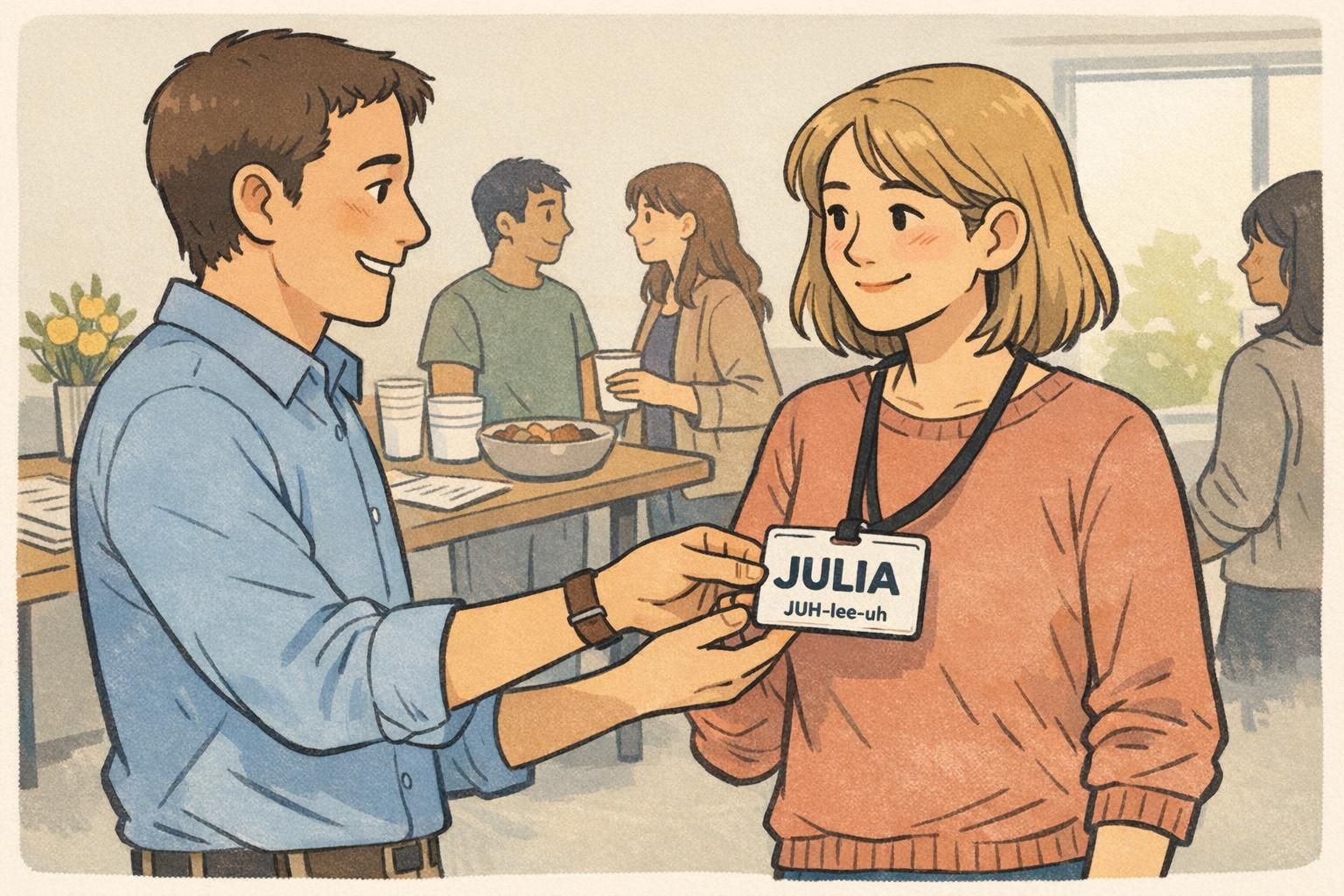
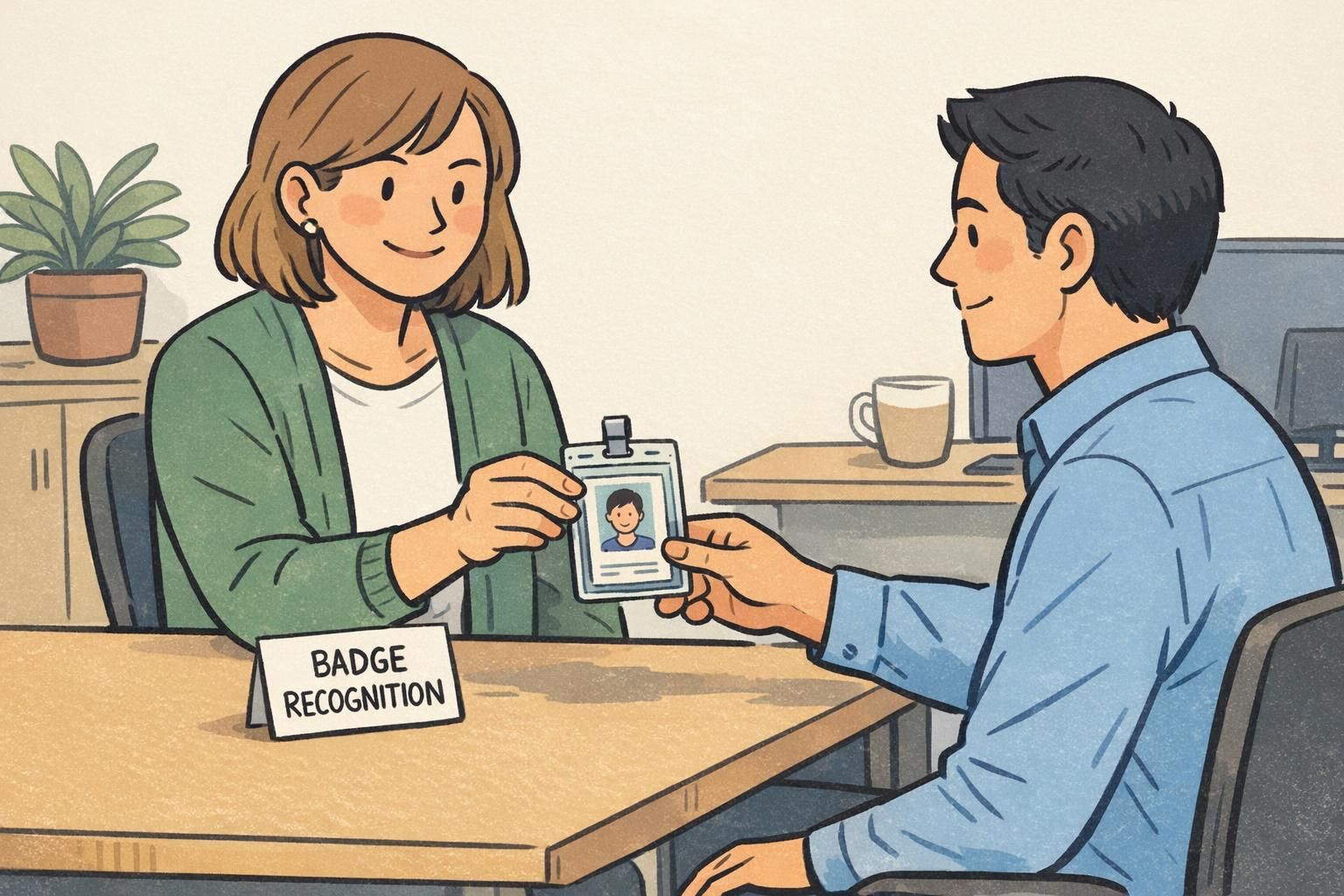
Why badge recognition works for low-key celebrations Badge recognition is a practical way to celebrate progress without turning recognition into a production....
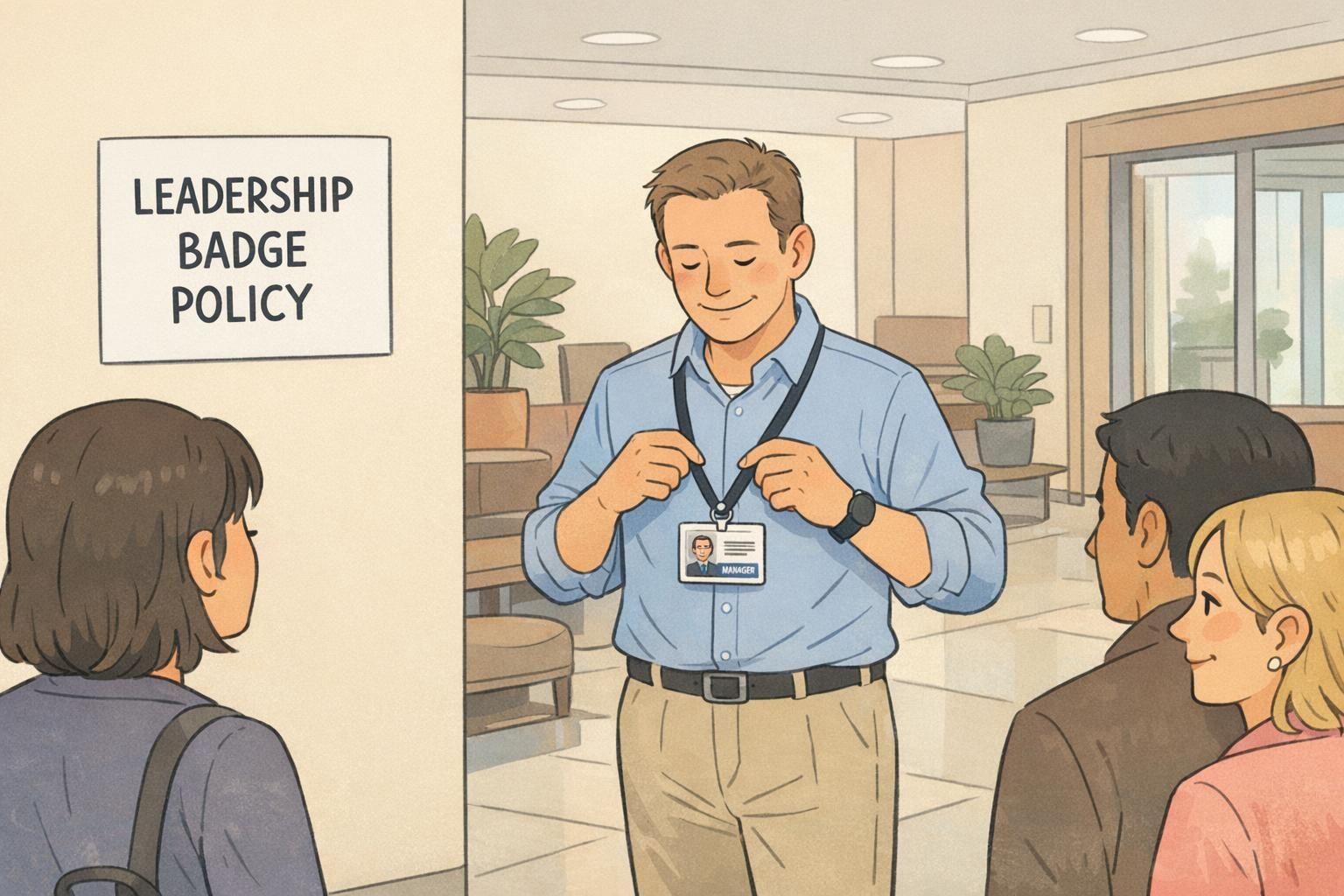
Why a Leadership Badge Policy Starts With Leaders A leadership badge policy only feels real when leaders treat it as their own everyday standard—not something...
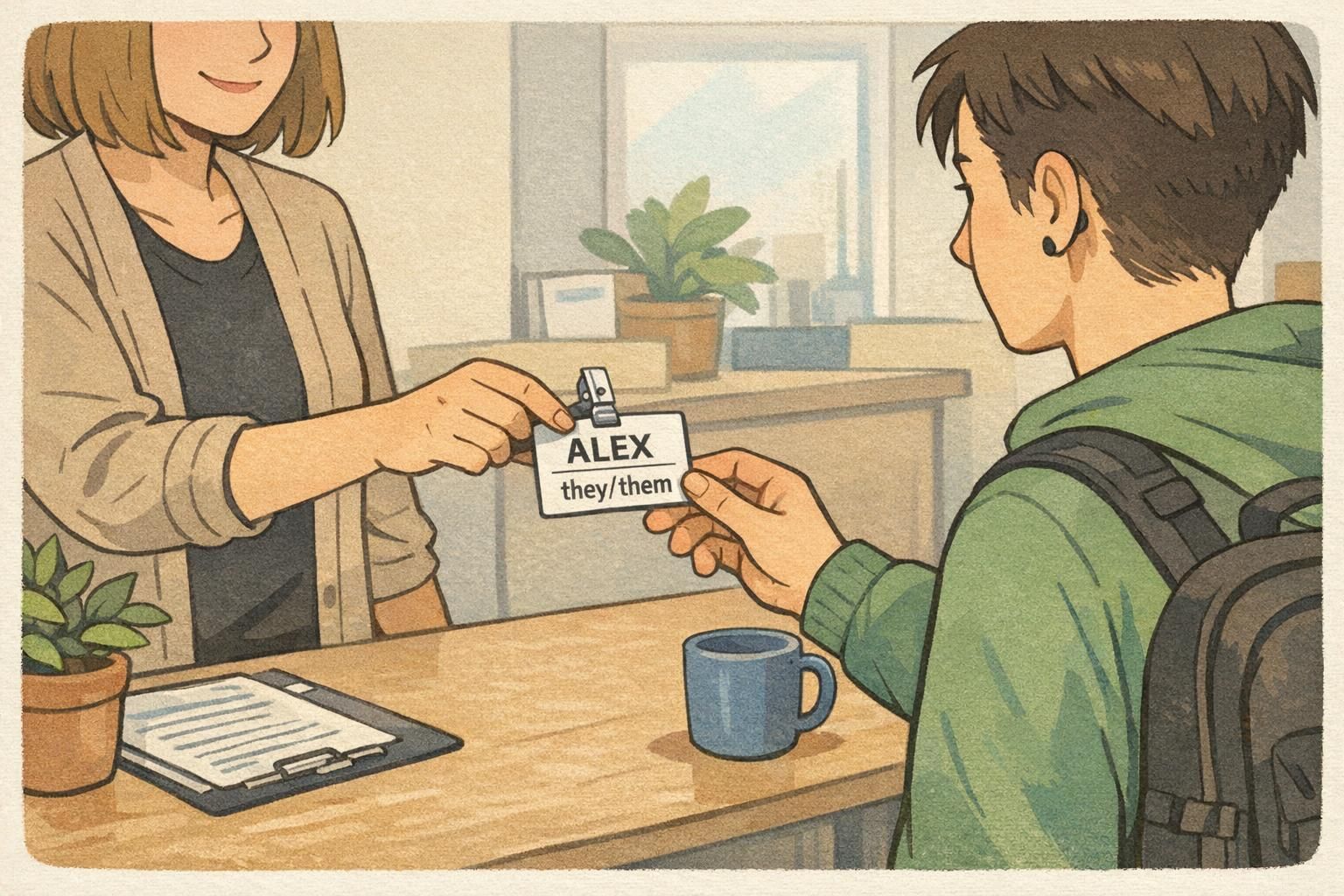
Why a Preferred Name Badge Supports Respectful Communication A preferred name badge is a simple, visible tool that helps people get someone’s name right the fi...
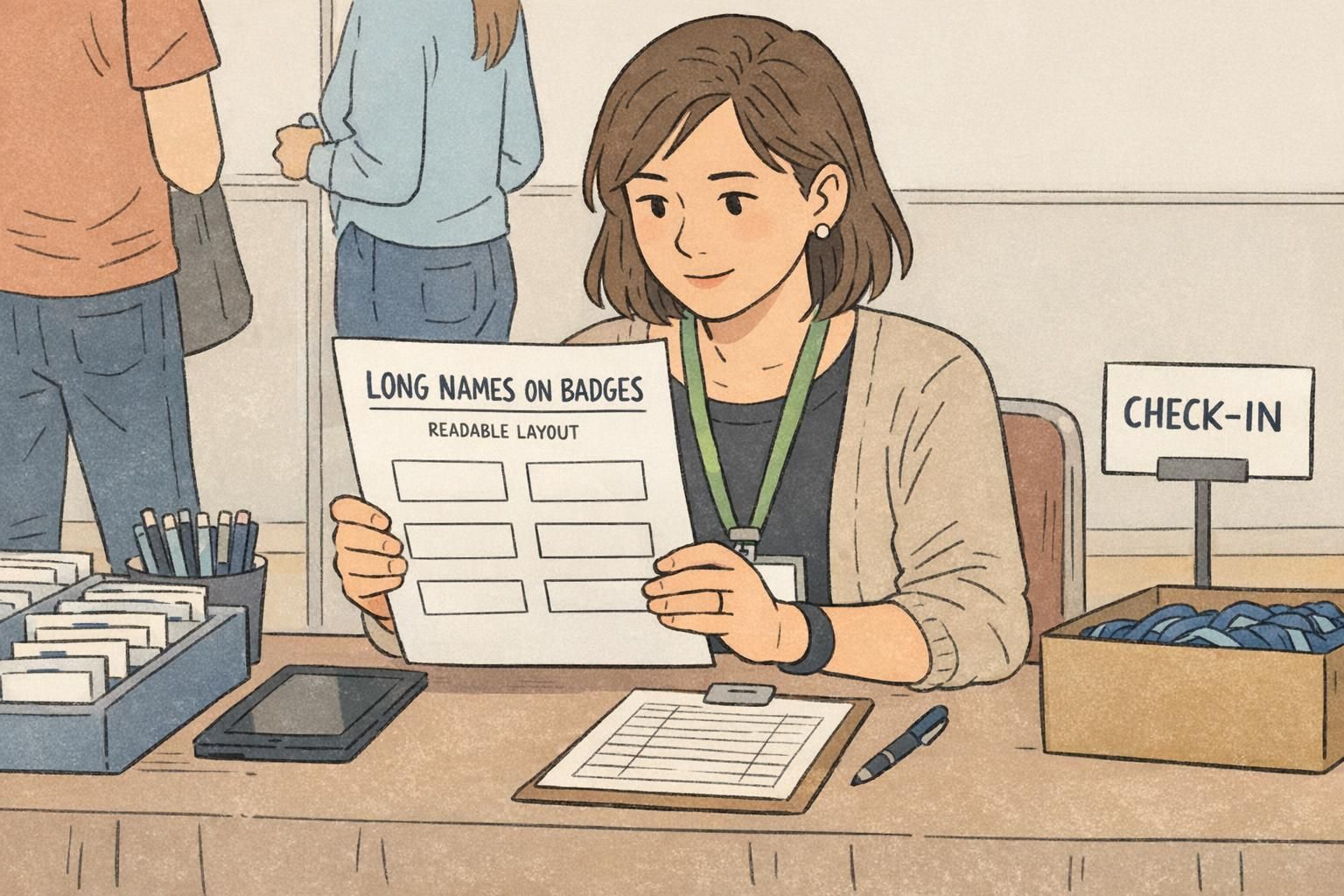
Why Long Names Break Badge Readability (and How to Prevent It) Long names on badges create a common design trap: to “make it fit,” the name shrinks until it’s...
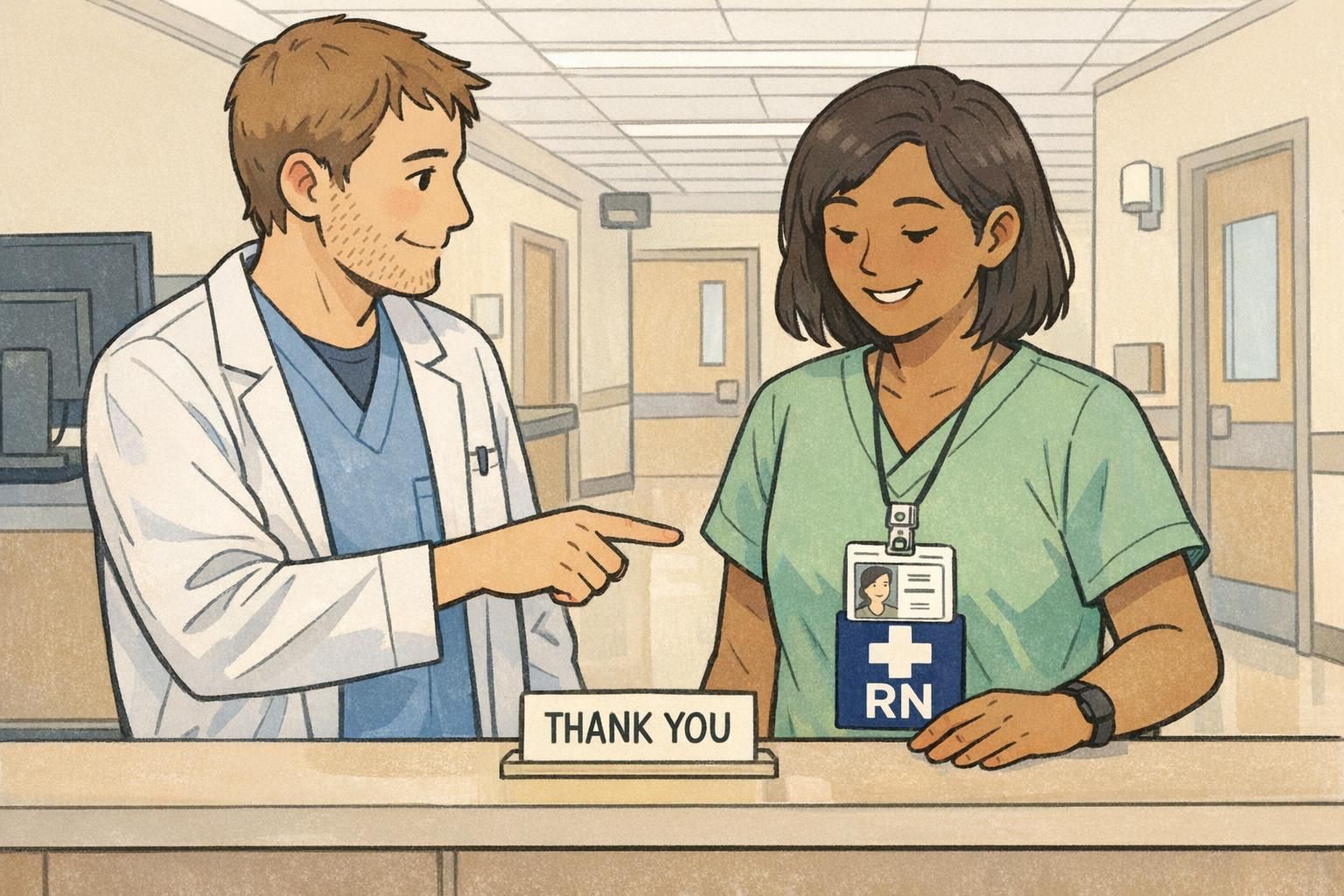
Why badge icons speed up recognition in busy workplaces In a busy workplace, the first few seconds of an interaction matter. A quick glance often has to answer...
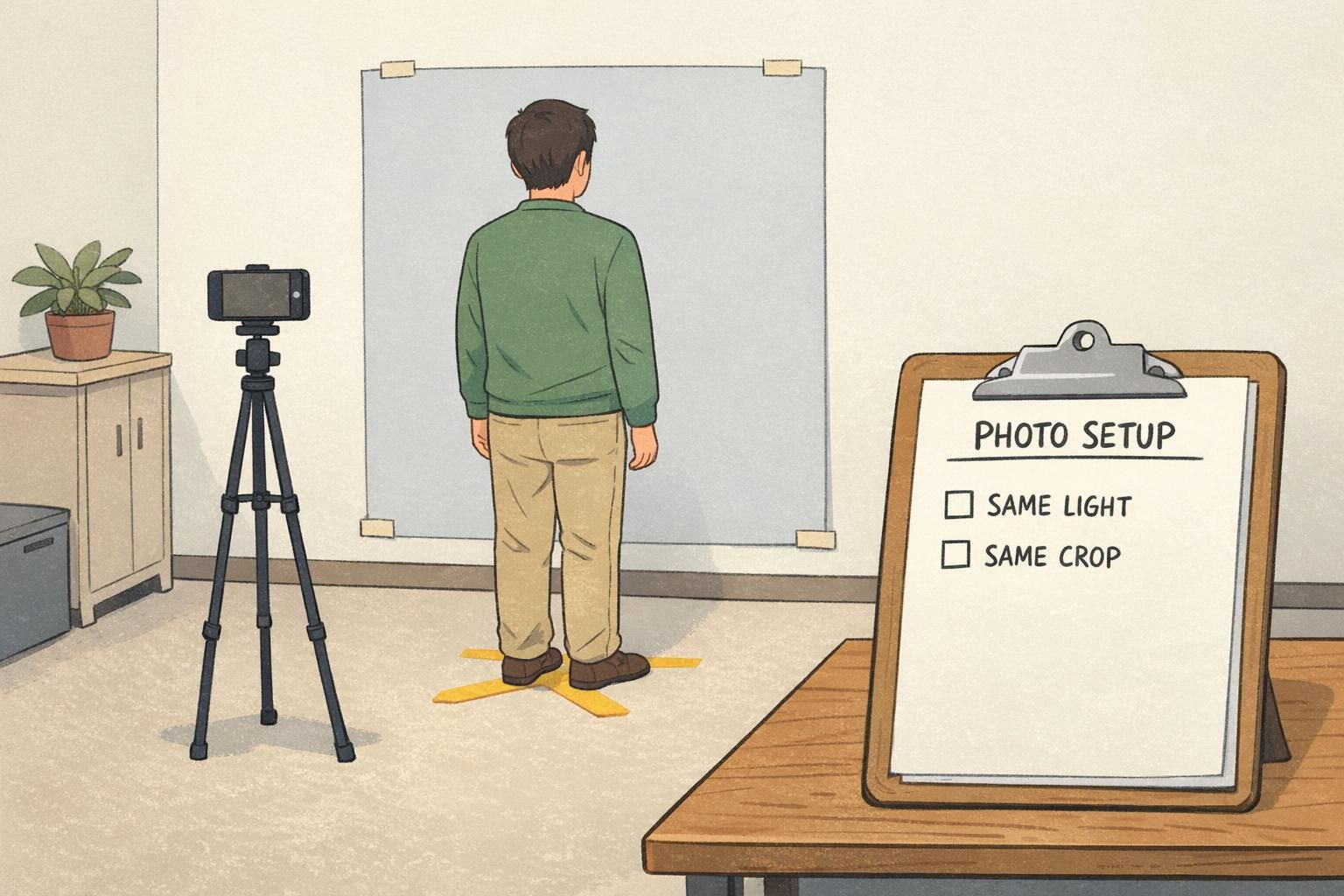
Why ID photo background consistency matters for everyday ID programs A consistent ID photo background is one of the simplest ways to make an ID program look or...
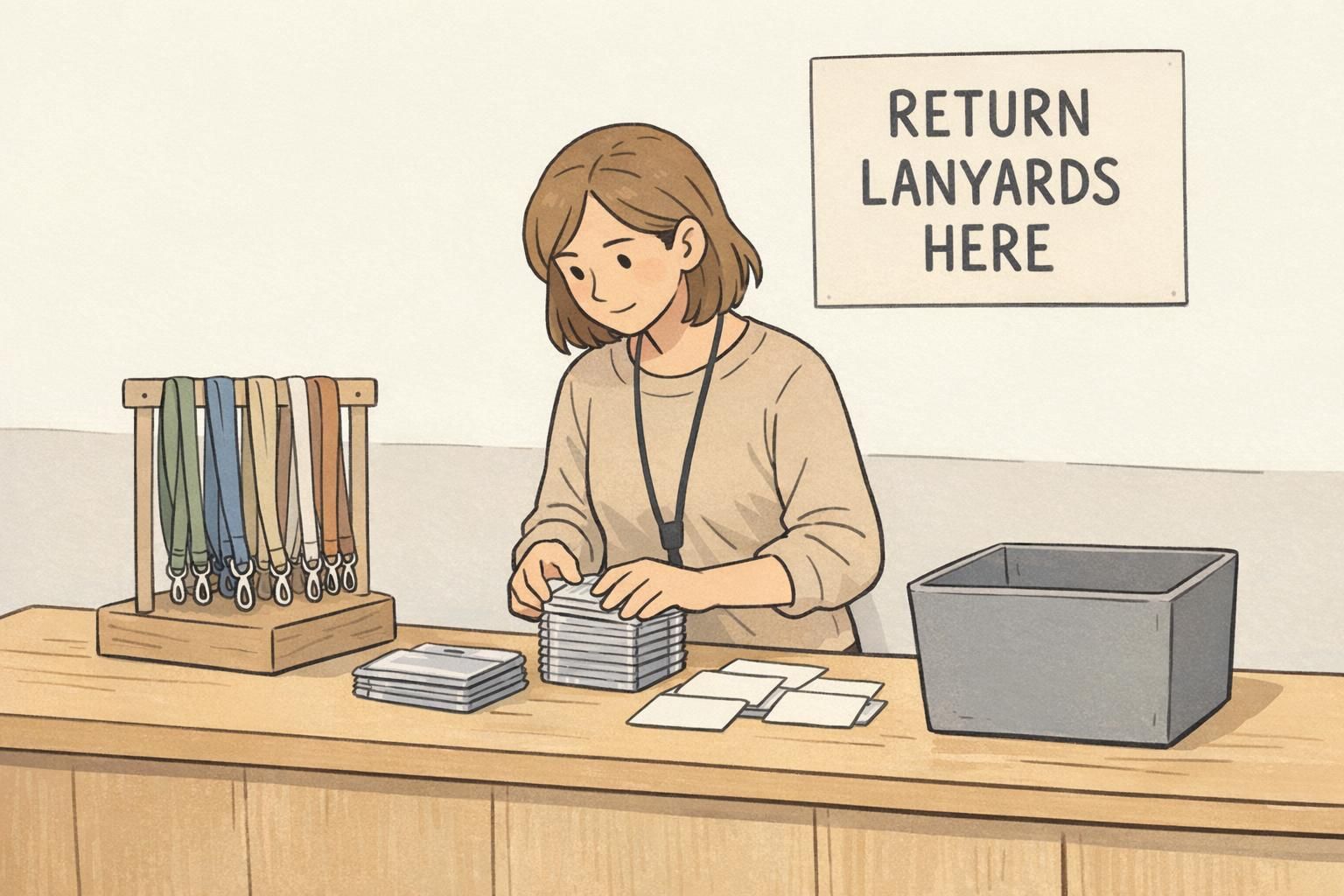
Why eco friendly lanyards are a smart starting point for greener ID programs Eco friendly lanyards are one of the simplest ways to make a badge program greener...
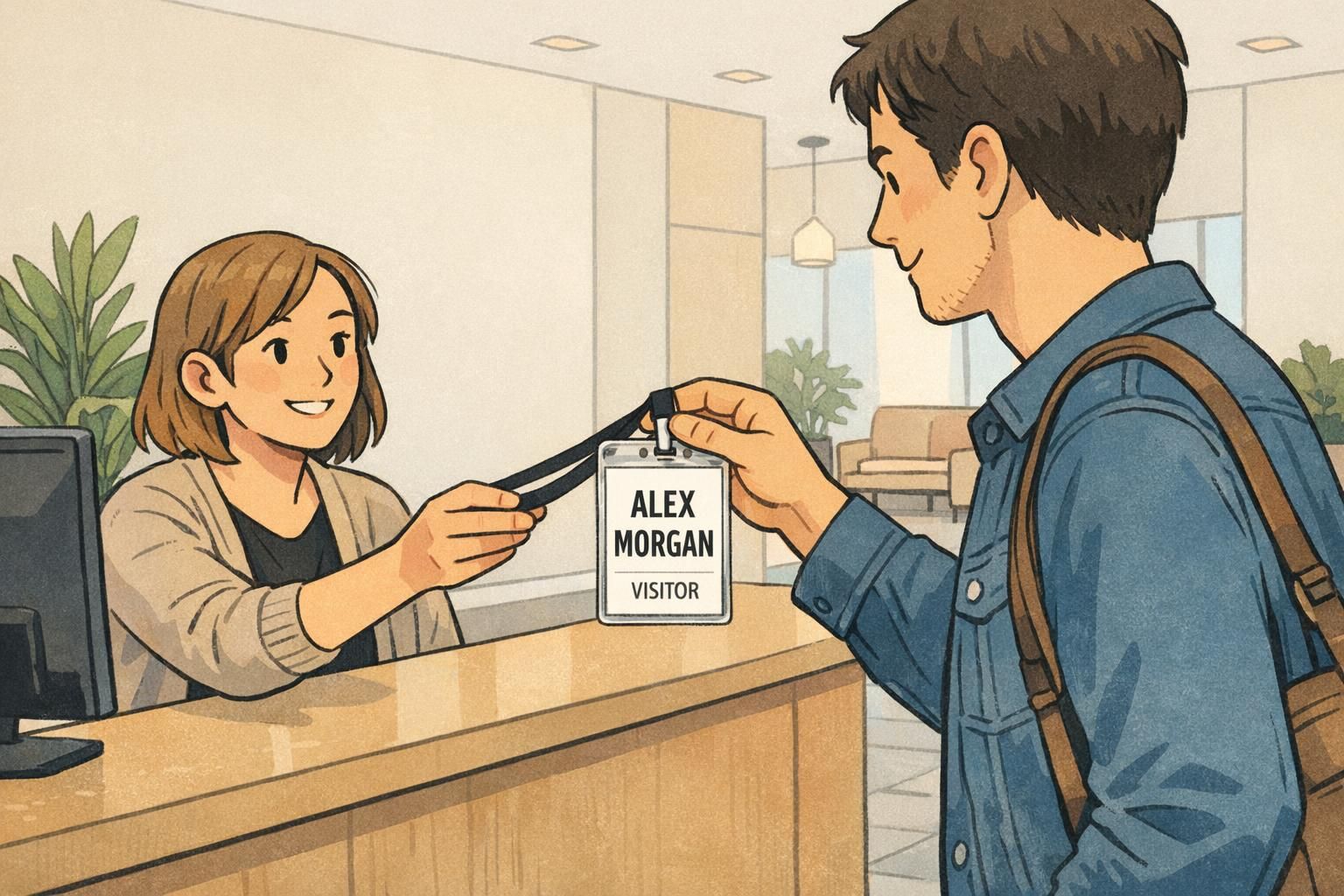
Why Minimalist ID Badge Design Looks Premium and Reads Faster A minimalist ID badge works because it respects how people actually scan information: fast, from...